
As of January 2026, the global food industry—a $12 trillion ecosystem—is undergoing a historic “Technological Super-cycle.” No longer viewed as a slow-moving commodity sector, food has become the primary arena for high-stakes consolidation and AI-driven efficiency. In South Africa, this shift is personified by the creation of a massive new “African Food Giant,” as the market moves from primary production toward high-margin, tech-enabled retail dominance.
The Premier-RFG Merger: Birth of a Titan
The defining event for early 2026 is the impending R28 billion merger between Premier Group and Rhodes Food Group (RFG), which management anticipates closing by the end of March 2026. This transaction is a strategic masterpiece designed to mitigate concentration risks while creating an “earnings-accretive” powerhouse.
- Combined Scale: The new entity will boast a combined annual revenue of approximately R28 billion and a profit after tax of roughly R1.8 billion.
- Portfolio Diversification: By bringing brands like Rhodes, Bull Brand, and Pakco under the same umbrella as Premier’s massive milling and baking operations, the group is building a “defensive” multi-category portfolio capable of weathering volatile consumer spending.
- Operational Synergy: A critical margin driver for the new group is the Aeroton mega-bakery, which opened in late 2025. This facility allows the company to mothball three older, less efficient sites, significantly reducing regional logistics costs and improving product quality.
The “Silicon Factory” and the Traceability Mandate
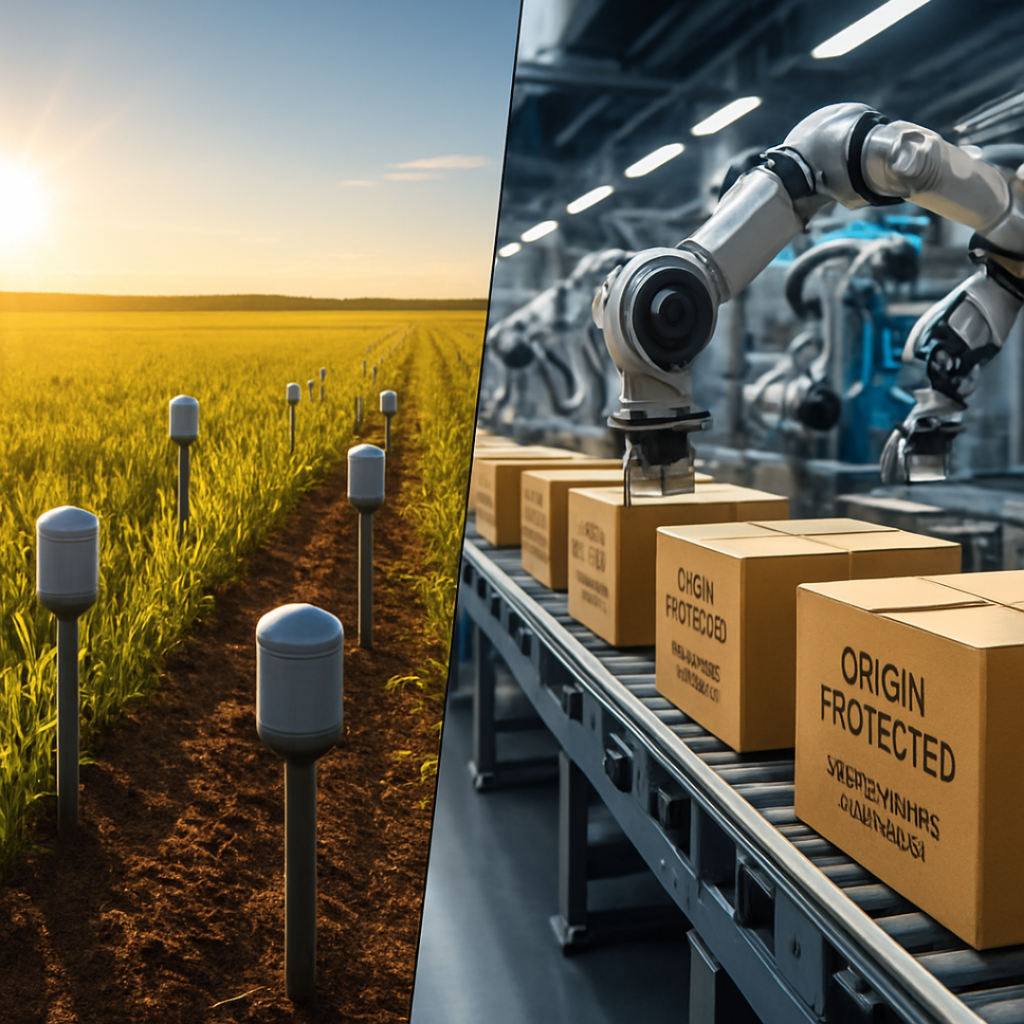
In 2026, the billionaire-level profit isn’t found just in the harvest, but in the processing and logistics orchestration. Industrial leaders are increasingly adopting modular, AI-powered tech stacks that act as the “brain” of the food supply chain.
- AI-Assisted Efficiency: Early adopters of AI-powered logistics in South Africa have reported reducing costs by 15% and optimizing inventory levels by 35%.
- The “Conscious Consumer” Shift: Sustainability and transparency are no longer fringe concerns; they are primary buying motivators for 2026. Consumers are demanding short, traceable supply chains, forcing manufacturers to invest in IoT sensors and cloud-native warehouse management systems (WMS) to track everything from temperature to origin in real-time.
- Alternative Realism: The 2026 market has moved away from purely “vegan” branding toward “hybrid” products. Manufacturers are increasingly blending animal proteins with plant-based alternatives—such as beef-and-mushroom “50:50 burgers”—to reduce carbon footprints by up to 35% while maintaining familiar textures.
Retail Media: The New High-Margin Engine
At the consumer end, South African retail giants are evolving from grocery sellers into data-driven media platforms. Retailers are leveraging their massive first-party data to sell targeted “Retail Media” space to brands, creating a new, high-margin revenue stream that offsets the tight margins on fresh food.
Simultaneously, the “Premiumisation of the House Brand” has hit a record high. Budget-conscious shoppers are no longer just buying “value” private labels; they are seeking high-quality, artisanal private-label products that allow retailers to capture the entire value chain—from the farm gate to the digital basket.
Investment Outlook: From Raw to Refined
For the entrepreneur looking to scale, the 2026 opportunity lies in agro-processing. Institutional funding—such as the IDC’s Agro-Processing Fund—is specifically targeting businesses that replace imports with local manufacturing capacity.
As global demand for sustainably produced, traceable goods grows, South African firms are pivoting from exporting raw commodities to shipping value-added, processed food products to markets like the UAE, Saudi Arabia, and Germany. In the 2026 “Food” category, the true billionaires are being made in the middle of the chain—where technology meets the shelf.