
The fragile two-week ceasefire between the United States and Iran disintegrated over the weekend, triggering a sharp repricing across global energy and equity markets. Oil surged, stocks retreated, and the prospect of a sustained supply shock moved from risk scenario to baseline assumption, all within the span of 48 hours.
The catalyst was unambiguous. On Sunday, the guided-missile destroyer USS Spruance intercepted the Iranian-flagged cargo vessel M/V Touska in the Gulf of Oman, firing on the ship after a six-hour standoff before boarding and seizing it. President Donald Trump confirmed the action on Truth Social, stating that the Iranian crew had refused repeated warnings and that U.S. Marines were holding the vessel. The same day, Iran’s Islamic Revolutionary Guard Corps declared the Strait of Hormuz closed once again to all vessel traffic, regardless of nationality.
Markets React to a Broken Ceasefire
The market response was immediate and severe. U.S. oil futures jumped more than 7% to $89.94 a barrel, and Brent crude climbed 5.9% to $95.71. Dow futures fell 407 points, or 0.82%, while S&P 500 futures dropped 0.67% and Nasdaq futures shed 0.57%.
By Monday’s close, the damage was consolidated but not fully reversed. U.S. crude oil settled up more than 6.8% to $89.61 per barrel, and Brent crude rose 5.6% to $95.48 per barrel. The S&P 500 ended the day down 0.2%, the Nasdaq fell 0.3%, and the Dow Jones Industrial Average closed flat. Wholesale gasoline prices rose 4% and heating oil futures, a proxy for jet fuel, spiked 5%.
The moves erased virtually all gains from the previous trading session, when Iran had briefly declared the strait open. On Friday, Iran declared the Strait of Hormuz fully open to commercial traffic, sending crude prices tumbling more than 10%. By Saturday, hopes quickly unravelled as Tehran reclaimed control of the choke point after Trump refused to end the U.S. naval blockade of Iranian ports.
The Anatomy of the Reversal
The whipsaw pattern, strait open, prices crash, strait closed, prices surge, has become the defining rhythm of this energy crisis, and strategists are growing impatient with it. Rory Johnston, founder of Commodity Context, described the dynamic plainly: “While we keep getting these sell-offs and it keeps seeming like we’re about to finally get that football, Lucy pulls it away, and we’re back to where we started.”
The Touska seizure sharpened the stakes. President Trump confirmed the seizure on social media, stating the vessel was under U.S. Treasury sanctions due to prior illicit activity, and warning that power plants and bridges in Iran could be destroyed if no deal was reached.
Iran’s response was equally uncompromising. Iran’s parliamentary speaker Mohammad Bagher Ghalibaf posted on X: “We do not accept negotiations under the shadow of threats, and in the past two weeks, we have prepared to reveal new cards on the battlefield.”
The two-week ceasefire is set to expire on Tuesday, with a second round of peace talks in Islamabad still in doubt. Iranian officials stated there is “no plan for a second round of negotiations with the U.S. for now.”
Supply Shock Calculus
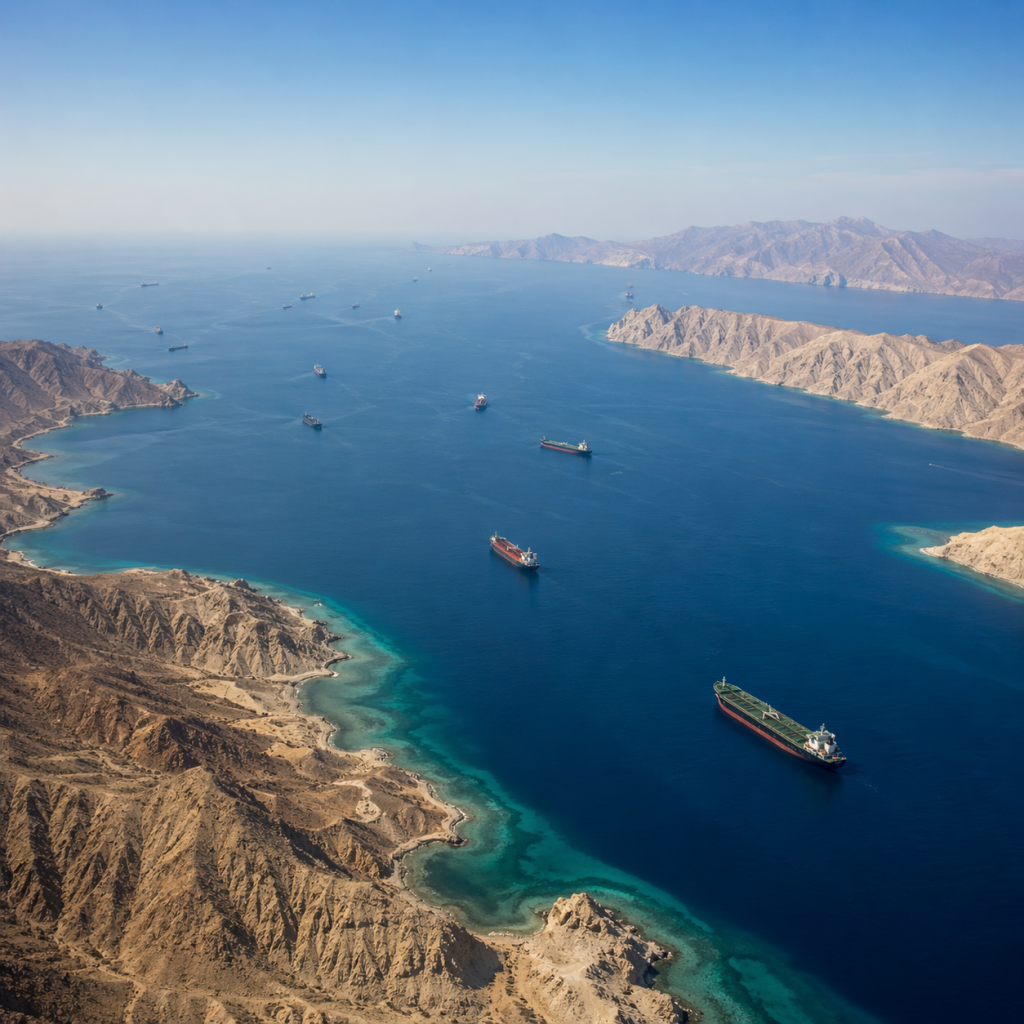
The macroeconomic stakes are not incidental. The Strait of Hormuz’s two unidirectional sea lanes facilitate transit of around 20 million barrels of oil per day, representing roughly 20% of global seaborne oil trade, primarily from producers including Saudi Arabia, the UAE, Iraq, and Qatar. The waterway has been effectively closed since late February.
Even if a lasting deal to reopen the strait emerges, analysts say it could take months for oil shipments to return to normal levels, with backed-up tanker traffic, shipowner risk aversion, and damaged energy infrastructure all acting as constraints on a rapid recovery.
Rystad Energy warned that if oil prices push through and sustain $100 per barrel, it could unlock as much as 2.1 million barrels a day of new supply from South America, with senior vice president Radhika Bansal noting that the conflict “has done more than spike oil prices, it has exposed how dangerously concentrated global supply chains are around the Strait of Hormuz.”
The IMF has aligned with this assessment. The Fund warned that global growth will inevitably take a hit even if the ceasefire holds, citing uncertainty over the Strait of Hormuz as a persistent drag on energy costs and inflation.
Earnings Hold, But Risks Are Mounting
One mitigating factor has been the resilience of corporate earnings. Morgan Stanley strategists, led by Michael Wilson, noted that “despite geopolitical risks, the earnings recovery remains intact,” with S&P 500 companies expected to report double-digit earnings growth for a sixth consecutive quarter in Q1 2026. Major U.S. banks including JPMorgan Chase and Bank of America have reported results above analyst expectations and characterised the consumer as broadly resilient.
But that cushion only stretches so far. Brian Arcese, portfolio manager at Foord Asset Management, said bluntly: “It’s clear we’re not going back to the Goldilocks scenario,” referring to the pre-conflict environment of stable growth and low inflation.
For markets operating in this environment, each diplomatic signal, and each reversal of that signal, carries outsized weight. Until the Strait of Hormuz is functionally open and that opening is verified by sustained tanker traffic, the energy supply shock will remain the primary variable shaping global risk appetite, inflation expectations, and monetary policy trajectories across every major economy.