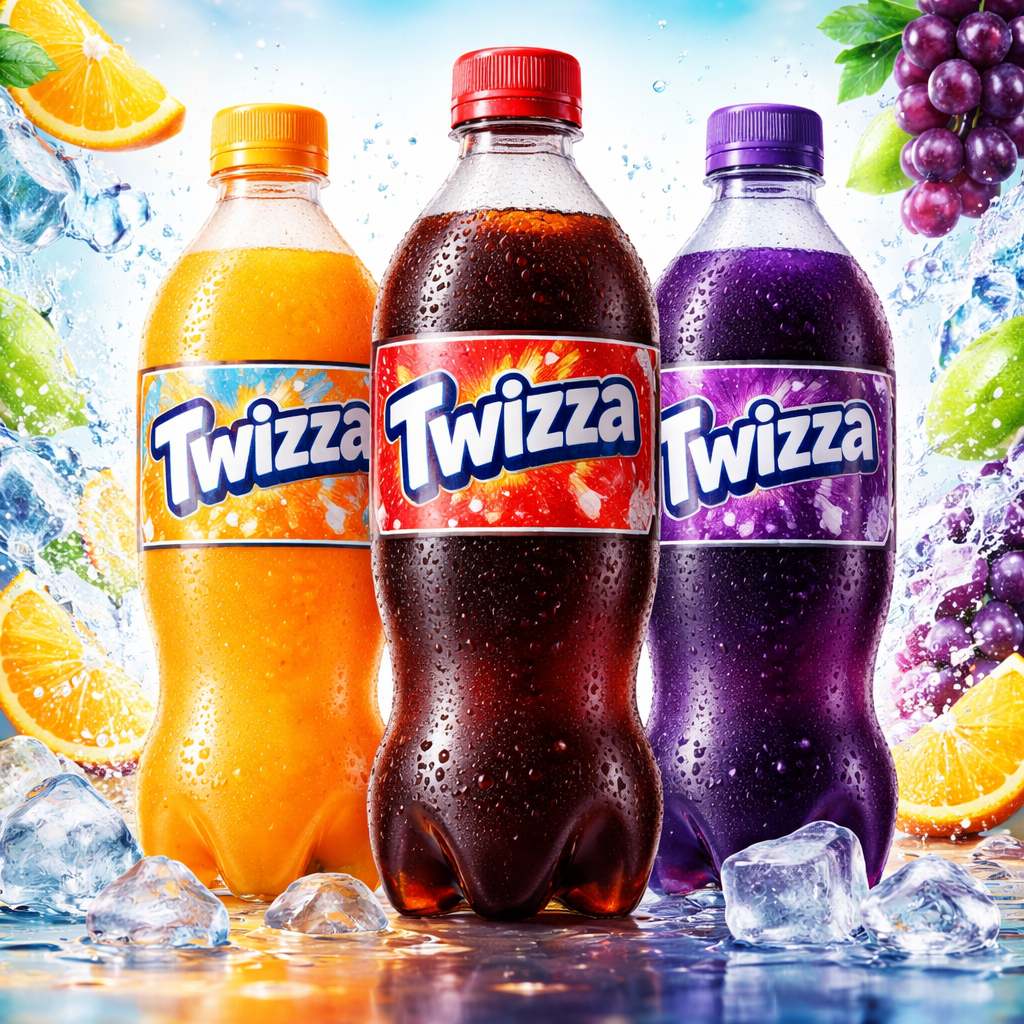

India-based Varun Beverages Limited has completed its R2.1 billion all-cash acquisition of Twizza Proprietary Limited, a South African soft drink manufacturer, finalising one of the most significant consumer goods transactions in South Africa’s FMCG sector in recent years. The deal was confirmed by Standard Bank on 31 March 2026, following regulatory clearances from competition authorities in South Africa, Botswana, and Eswatini.
The transaction was executed through BevCo, The Beverage Company Proprietary Limited, Varun’s wholly-owned South African subsidiary, which acquired 100% of Twizza’s share capital. With completion, Twizza becomes a step-down subsidiary of Varun Beverages, and founder Ken Clark and his family have relinquished ownership of the business they built from a single production facility in Komani, Eastern Cape, in 2003.
Strategic Logic: Scale, Distribution, and African Consolidation
Varun Beverages is widely recognised as PepsiCo’s largest bottling partner outside the United States. Headquartered in India, Varun manufactures, bottles, distributes and sells a wide range of beverages under PepsiCo trademarks, operating across multiple markets in Asia and Africa, supported by scaled manufacturing capabilities and an extensive distribution footprint.
The Twizza acquisition deepens that African footprint considerably. Twizza operates manufacturing facilities in Komani, Middelburg, and Cape Town, and has built a strong distribution presence across Southern Africa, serving markets including Lesotho, Eswatini, Botswana, and Namibia. These routes to market are operationally complementary to Varun’s existing BevCo infrastructure and its broader African network, which spans Morocco, Zambia, Zimbabwe, and the Democratic Republic of Congo.
For Varun, the rationale extends beyond geography. The deal aligns with Varun Beverages’ strategy to expand in African markets, especially as growth in India has been affected Channeliam by increasing competitive pressure and market saturation in core domestic categories. Africa, by contrast, offers demographic tailwinds, a growing middle class, and accelerating demand in the affordable beverage segment — the precise market position Twizza has occupied since its founding.
The Transaction: Process, Financing, and Advisory
Standard Bank’s Business and Commercial Banking Corporate Finance Advisory team led the transaction, running a competitive process that attracted both local and international bidders. The R2.1 billion consideration was settled entirely in cash, reflecting the financial capacity Varun has built through its global bottling operations and the relative attractiveness of the rand-denominated price at current exchange rates.
Varun Beverages had previously completed the acquisition of The Beverage Company (BevCo) in 2024, being approved by the Competition Commission, establishing the local vehicle through which the Twizza deal was structured. The two-step approach, acquiring the subsidiary first, then using it to absorb a strategic target — reflects a deliberate market entry architecture designed to manage regulatory exposure and operational integration risk.
Raven Moodley, Head of Corporate Finance Advisory within Business and Commercial Banking at Standard Bank South Africa, noted that the sale reflected how strong performance and market timing can unlock substantial value.
What Twizza Brings to the Table
Twizza currently employs more than 650 people and has earned Top Employer certification every year since 2022. Founded as a regional producer of affordable non-alcoholic beverages, including carbonated soft drinks, energy drinks, and mixers, the company grew steadily into a nationally distributed brand with cross-border reach across five Southern African countries.
Twizza CEO Lisle Clark described the acquisition as the next phase of the company’s growth journey, noting that under BevCo’s ownership, the business is well positioned to scale further, access new capabilities, and continue delivering affordable, quality products.
That positioning matters. South Africa’s informal retail sector, particularly spaza shops, represents a structurally underpenetrated channel for fast-moving consumer goods. The move aligns with PepsiCo’s broader strategy to strengthen its presence in South Africa’s informal retail sector, particularly spaza shops. Twizza’s existing route-to-market in this segment gives Varun immediate shelf presence in outlets that global beverage multinationals have historically struggled to reach at scale.
Sector Consolidation and Capital Signal
The Twizza transaction does not exist in isolation. Coca-Cola HBC has agreed to acquire 75% of Coca-Cola Beverages Africa for $2.6 billion, with completion expected in the second half of 2026 subject to regulatory approvals. Taken together, these two deals signal an accelerating consolidation dynamic across Southern Africa’s beverage bottling industry, as global principals move to rationalise distribution networks and assert tighter control over high-growth emerging market territories.
For South Africa’s capital markets, the signal is broader. The transaction marks a landmark deal in the country’s FMCG sector, underscoring continued investor appetite for scalable, value-driven consumer businesses. At a moment when foreign direct investment into South Africa is being scrutinised as a measure of post-GNU confidence, a completed R2.1 billion all-cash deal, cleared by three competition authorities, reinforces the country’s position as the gateway market for serious emerging market capital looking to build scale across the continent.