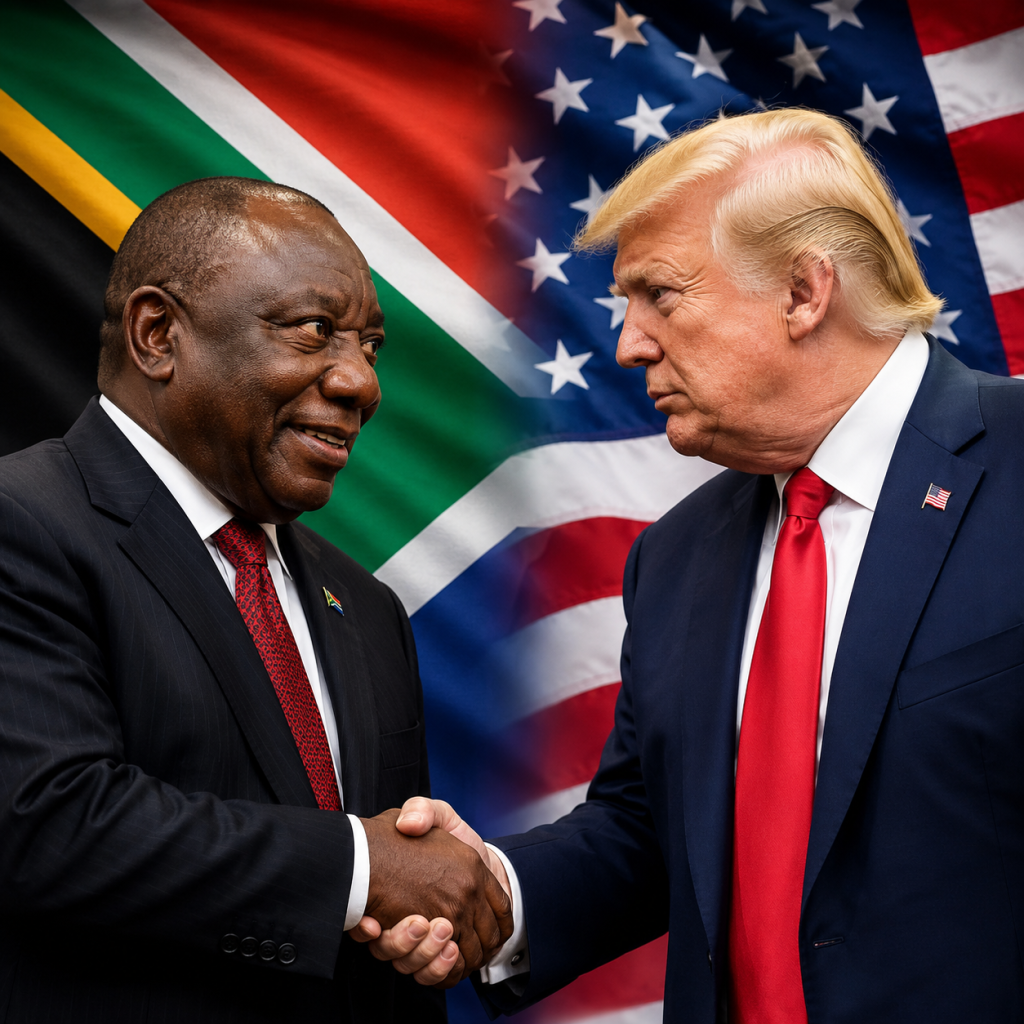

South Africa has confirmed it will continue diplomatic and trade engagement with the United States after Washington imposed a 12.5% tariff on a range of South African exports under its latest Section 301 trade measures. The South African government reaffirmed its position on Monday, following the formal implementation and clarification of the new US trade action.
Minister of Trade, Industry and Competition Parks Tau said Pretoria would continue engaging with US authorities to address the concerns raised by the United States Trade Representative (USTR) and to protect South Africa’s long-term access to one of its largest export markets.
The tariff forms part of a broader US policy affecting 60 economies. Washington argues the measures respond to what it considers insufficient enforcement against imports produced through forced labour. South Africa is among 41 economies facing the higher 12.5% tariff under the new framework. Certain products already covered by separate US trade measures, including automobiles, automotive components, steel and aluminium, remain exempt.
Why the Development Matters
The latest exchange represents more than a trade dispute. It has become an important diplomatic issue between Pretoria and Washington, testing one of South Africa’s most significant commercial relationships outside Africa.
For South African exporters, maintaining predictable market access remains essential, particularly in manufacturing, agriculture and industrial production. Continued government-to-government engagement may help limit further trade friction while preserving investor confidence in export-oriented industries.
Strategic Implications
The dispute also reflects a wider shift in global trade policy, where labour standards, supply-chain governance and national security considerations are increasingly influencing tariff decisions.
For South Africa, the immediate priority is to demonstrate compliance where appropriate while protecting national economic interests through diplomatic negotiations rather than retaliatory measures. The government’s decision to continue formal engagement signals its preference for preserving long-term bilateral trade stability despite growing policy differences.
Markets will closely monitor whether future negotiations lead to tariff adjustments or broader discussions on strengthening commercial relations between the two countries.