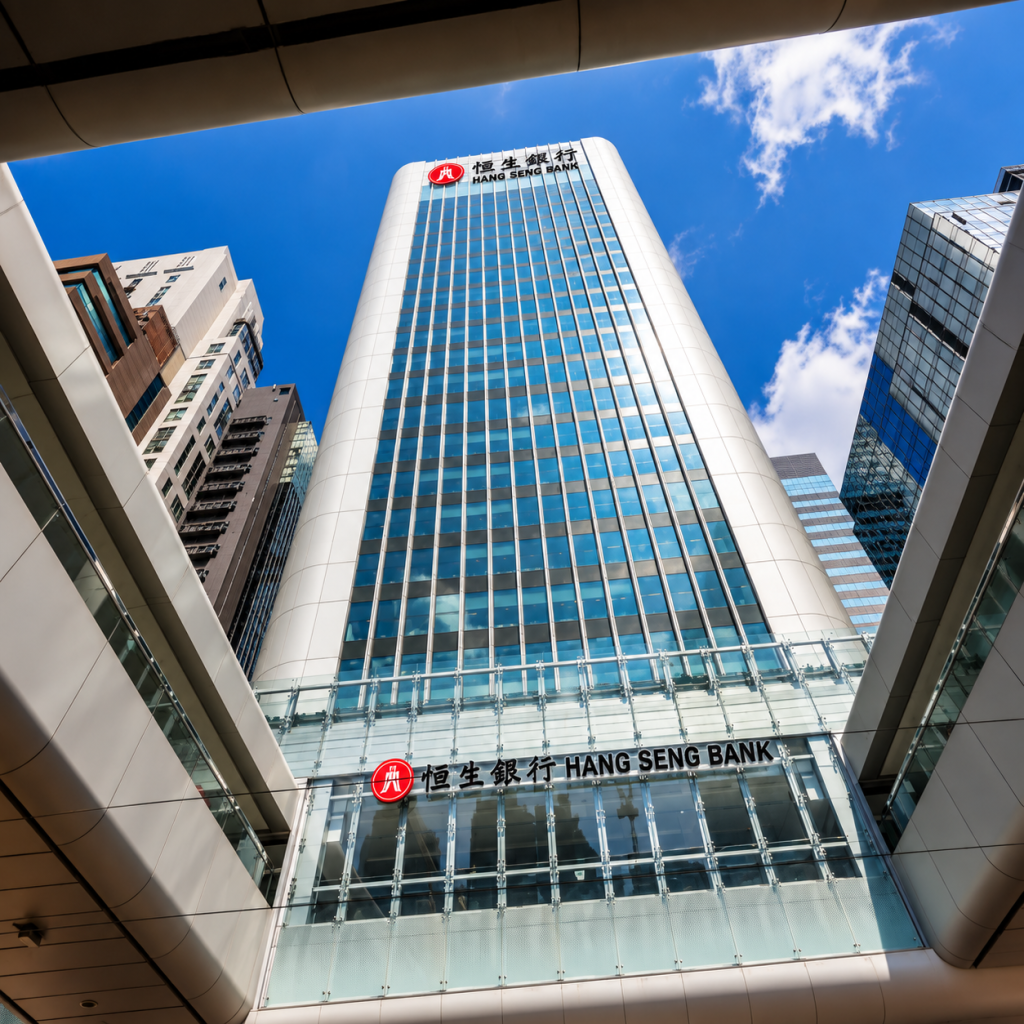

HSBC has disclosed that it acquired HK$11 billion, approximately US$1.4 billion, in loans from its wholly owned subsidiary Hang Seng Bank as part of efforts to strengthen the lender’s balance sheet and improve its capacity for future lending. The transaction was disclosed on September 29 and relates to activity completed during the first half of 2026.
The transfer follows HSBC’s decision earlier this year to take Hang Seng private in a US$13.6 billion transaction, consolidating ownership as concerns grew around the bank’s exposure to distressed property assets in Hong Kong and mainland China.
Balance Sheet Repositioning
While HSBC did not disclose the specific quality of the transferred loans, the move comes as Hang Seng works to reduce the impact of impaired property-related exposures that accumulated during the region’s prolonged real estate downturn.
Hang Seng’s impaired loan ratio had climbed to 7% at the end of 2025, significantly above broader industry levels. By the first half of 2026, the ratio had improved to 4.6% following a substantial reduction in its highest-risk loan portfolio.
According to HSBC executives, the strengthened balance sheet provides greater flexibility for Hang Seng to diversify lending activity beyond commercial real estate and expand into other sectors of the economy.
Who Participated
The transaction involved:
- HSBC Holdings plc
- Hang Seng Bank
- Hong Kong banking regulators and stakeholders monitoring the health of the territory’s financial system
HSBC stated that the loan transfer was conducted on an arm’s-length basis.
What the Transaction Signals
The US$1.4 billion balance sheet adjustment highlights a broader trend among global banks operating in property-exposed markets: the use of internal capital and asset transfers to improve subsidiary resilience without requiring external capital raising.
For investors, the move suggests that large international banking groups remain willing to deploy capital internally to protect strategic franchises and maintain lending capacity in challenging market conditions.
The transaction also reflects continuing efforts by major financial institutions to manage the long-term effects of the Asian property downturn while positioning for future credit growth as economic conditions stabilize.
From a market perspective, the development may be viewed as a confidence-supporting measure that strengthens liquidity capacity within one of Hong Kong’s most established banking institutions and demonstrates active balance sheet management by one of the world’s largest banking groups.