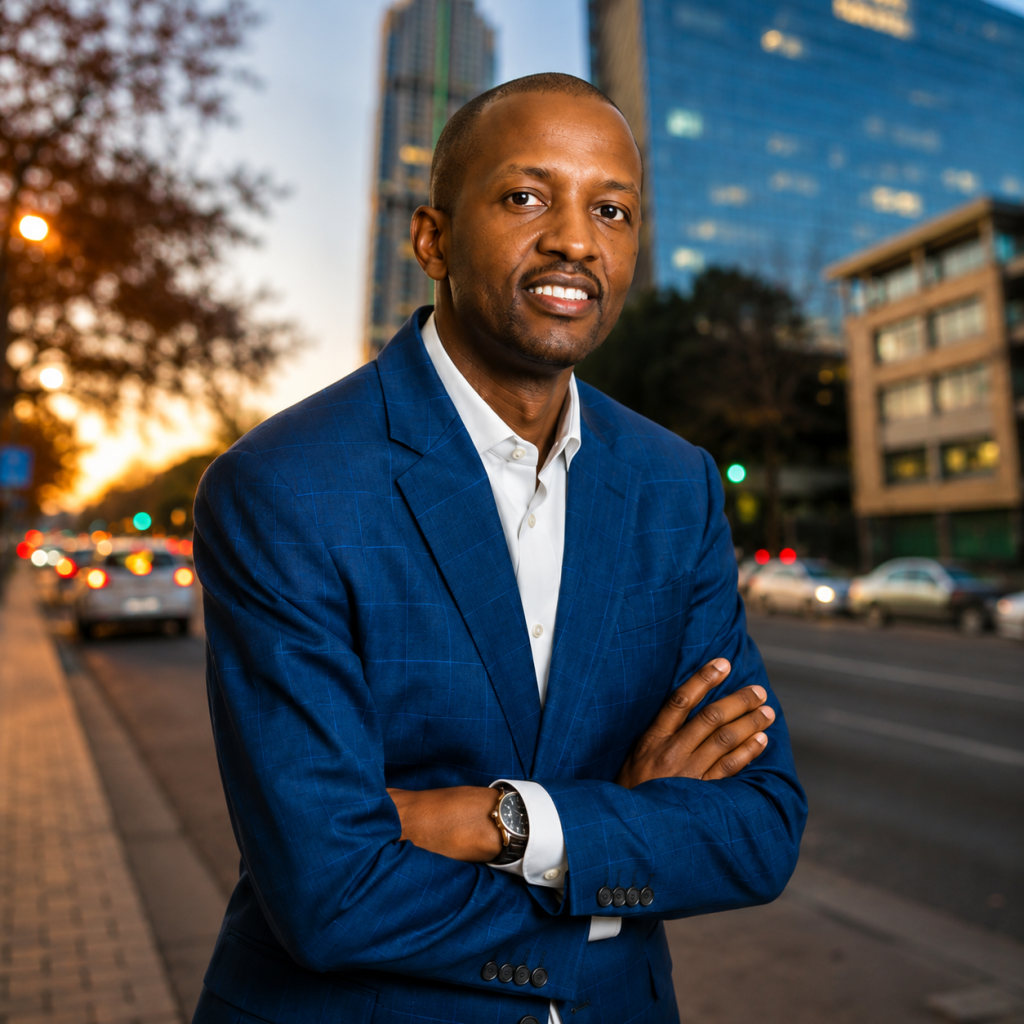

Johannesburg-based investment manager Sango Capital has completed the acquisition of more than $120 million in net asset value across four African private equity funds, acquiring the portfolio from a non-African institutional investor rebalancing its global allocations away from the continent. The transaction, confirmed this month, is the largest documented secondary deal in African private equity history.
The deal was financed through a combination of Sango’s own balance sheet and fresh capital raised from a group of commercial investors, including US-based family offices making their first-ever allocations to African private markets. The acquired portfolio spans approximately 30 underlying companies operating across 14 African markets, with exposure to financial services, consumer and fast-moving consumer goods, infrastructure, and light manufacturing.
The transaction took roughly three months to seal and was executed off-market, reflecting the depth of Sango’s GP relationships and its 15-year operating history on the continent. The firm, now managing approximately $1 billion in assets, has been active in the African secondaries space since 2016, using a range of structures including LP stake acquisitions, continuation vehicles, and fund roll-ups.
Richard Okello, co-founder and partner at Sango Capital, called the deal a milestone for African private equity infrastructure. “This transaction reflects everything Sango has built over 15 years: the analytical depth to underwrite complex African portfolios, the relationships to source off-market opportunities, the structuring expertise to create solutions for LPs and GPs navigating liquidity, and the local GP relationships to enable smooth asset transfers,” Okello said.
The deal also surfaces a structural development that has long constrained Africa’s private capital ecosystem: the absence of a functioning secondaries market. Historically, development finance institutions (DFIs) have dominated the LP base of African funds, and their reluctance to sell positions has suppressed secondary market activity. The exit of a commercial institutional LP from four funds simultaneously signals that a different dynamic may now be underway.
Charles Mwebeiha, co-founder and partner at Sango, pointed directly to the market signal embedded in the transaction. “Global institutional investors have long cited liquidity and exit concerns around investing in Africa. That is changing as the ecosystem matures. This landmark transaction is one of several that the team at Sango is working on to accelerate the delivery of liquidity and portfolio solutions for investors at scale,” he said.
Sango has already indicated that future transactions in its pipeline are expected to be two to three times the size of this deal, potentially exceeding $200 million in net asset value. The firm’s ability to finance the current transaction using a combination of proprietary capital and first-time Africa allocators from the United States suggests that its institutional capital base is expanding alongside its deal execution capacity.
The significance of the transaction extends beyond the $120 million figure. Africa’s secondaries market has remained underdeveloped precisely because it combines three structural barriers simultaneously: geographic complexity, relatively small ticket sizes by global standards, and limited information availability. Global secondary giants such as Ardian have historically declined to engage. Sango’s positioning exploits all three barriers as competitive advantages, built on a decade and a half of on-the-ground GP relationships that cannot be easily replicated from outside the continent.
For South African institutional capital, this deal reinforces a critical data point: Johannesburg retains credible capacity to originate, underwrite, and close complex pan-African financial transactions at institutional scale. As Africa’s secondaries market matures and liquidity infrastructure develops, Sango’s first-mover position in this niche may prove to be one of the more strategically consequential capital decisions made on the continent in 2026.