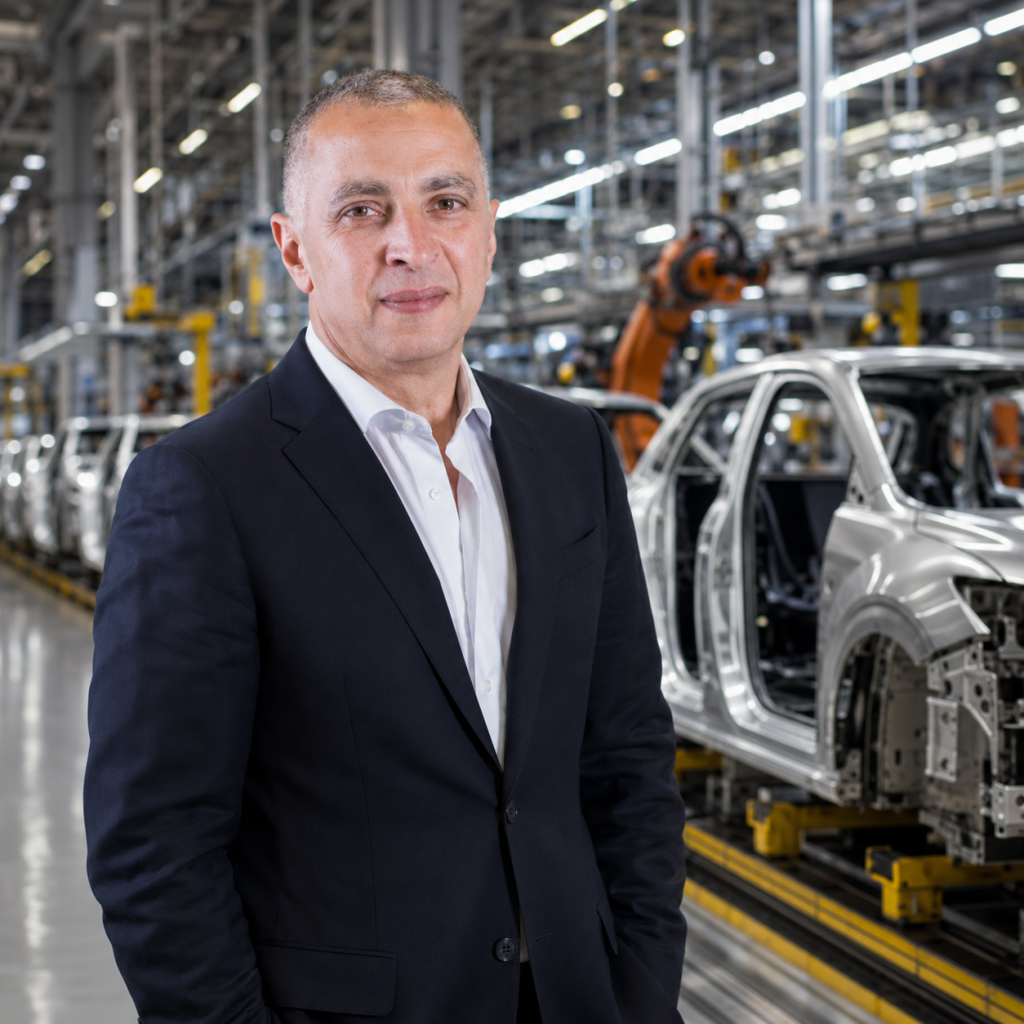

Egyptian billionaire Ahmed El Sewedy has moved deeper into the electric vehicle sector through a new $500 million manufacturing partnership that positions Egypt as a strategic production hub for African and Middle Eastern markets.
The transaction, disclosed on June 23, involves a joint venture between Ezz Elarab Elsewedy Investments (ESI) and Abu Dhabi-based electric vehicle and AI technology company ROX. The new venture, ROX ESI Egypt, represents one of the most significant billionaire-backed industrial investments announced in North Africa this year.
A Major Capital Deployment Into Manufacturing
The investment will establish electric vehicle production facilities at ESI’s manufacturing complex west of Cairo.
Initial production is expected to begin in 2027 with annual output of approximately 3,000 vehicles before scaling higher over subsequent phases. Longer-term plans could expand production capacity beyond 80,000 vehicles annually.
Unlike traditional licensing arrangements commonly used by global automotive brands entering emerging markets, ROX has entered the venture as a direct equity investor. This structure aligns both parties around long-term manufacturing expansion and local industrial development.
The Billionaire Behind the Move
Ahmed El Sewedy is one of Egypt’s most influential industrialists and the driving force behind Elsewedy Electric, one of Africa’s largest electrical infrastructure and energy groups.
The El Sewedy family maintains significant ownership in Elsewedy Electric, with combined holdings valued at approximately $1.8 billion. The group generated revenue of roughly $4.58 billion in 2024 and operates across multiple sectors including energy infrastructure, digital systems and industrial manufacturing.
The electric vehicle venture marks a strategic expansion beyond the company’s traditional infrastructure and energy businesses.
Why This Capital Move Matters
This is not simply an automotive manufacturing announcement.
The investment signals a broader wealth strategy increasingly visible among major African business dynasties: deploying capital into sectors positioned to benefit from long-term industrial transformation and energy transition trends.
For Egypt, the deal strengthens ambitions to become a regional manufacturing platform rather than a consumption market.
For ROX, Egypt becomes the company’s primary gateway into African growth markets, including Nigeria, Angola and Ghana. Future right-hand-drive production plans could also open access to Southern and East African markets.
What It Signals for Global Wealth Positioning
The transaction highlights a growing pattern among billionaire-controlled industrial groups across Africa and the Middle East.
Rather than concentrating capital solely in property, commodities or financial assets, wealthy family-controlled enterprises are increasingly directing investment toward manufacturing ecosystems tied to future mobility, artificial intelligence and technology-enabled industrial production.
The partnership also demonstrates how Gulf capital, African industrial capacity and advanced technology platforms are becoming more integrated.
For global investors, the message is clear: the next phase of wealth creation across emerging markets may be driven less by resource extraction and more by advanced manufacturing, technology transfer and regional production networks.
Ahmed El Sewedy’s latest move suggests that some of Africa’s most influential billionaire families are positioning themselves accordingly.