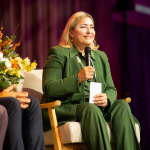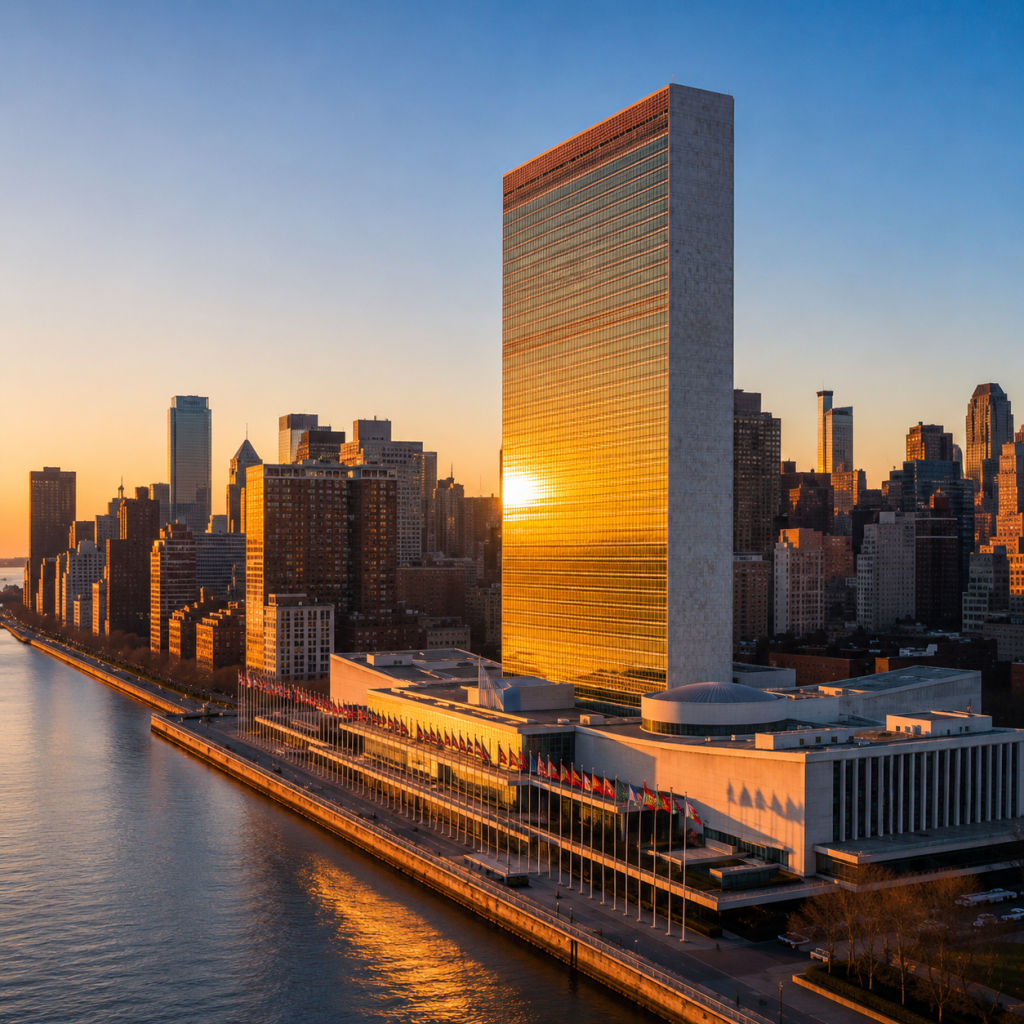

The race to choose the next Secretary-General of the United Nations has entered a decisive new phase after the UN Security Council confirmed it is targeting 21 August for its second informal “straw poll” of candidates, following the first round of voting held last week. The announcement was made by Denmark, which holds the Council’s presidency for August.
While no final decision has been reached, the latest update provides the clearest indication yet that the selection process is gathering momentum. Former Costa Rican Vice President Rebeca Grynspan emerged as the early frontrunner in the initial confidential poll, ahead of former Guyanese Foreign Minister Carolyn Rodrigues-Birkett and International Atomic Energy Agency Director General Rafael Grossi.
Why This Development Stands Out
The appointment of a UN Secretary-General is among the world’s most consequential institutional decisions. The successful candidate will lead the United Nations at a time when the international system faces growing geopolitical rivalry, pressure to reform multilateral institutions, climate challenges, humanitarian crises and increasingly fragmented global governance.
Unlike many international appointments, the process is shaped by both broad diplomatic support and the political realities of the Security Council, where any of the five permanent members can effectively block a candidate through a veto.
The announcement of a second straw poll signals that negotiations are moving into a more competitive phase rather than remaining purely procedural.
Strategic Significance
For governments, investors and multinational businesses, leadership at the United Nations influences far more than diplomacy.
The Secretary-General plays a central role in shaping international discussions on sustainable development, global trade cooperation, humanitarian responses, peacekeeping operations, digital governance and climate policy. These priorities increasingly intersect with corporate investment strategies, sovereign risk assessments and international development finance.
As geopolitical tensions continue to reshape global alliances, markets will closely monitor whether the eventual selection reflects broad international consensus or deeper divisions among major powers.
What Happens Next
According to Denmark’s UN Ambassador Christina Markus Lassen, the Security Council expects to conduct another confidential straw poll on 21 August, although additional rounds may continue into September or October before consensus is reached. At later stages, ballots will reveal whether any permanent Security Council member has exercised a veto against individual candidates, an important milestone in narrowing the field.
Ultimately, the Security Council will recommend one candidate to the 193-member UN General Assembly for formal approval.
Outlook
The latest announcement confirms that the succession process is entering a more substantive stage, even if the final outcome remains uncertain.
For the global business community, the leadership transition will be closely watched as an indicator of how the world’s largest multilateral institution intends to navigate an increasingly complex international environment over the next five years.