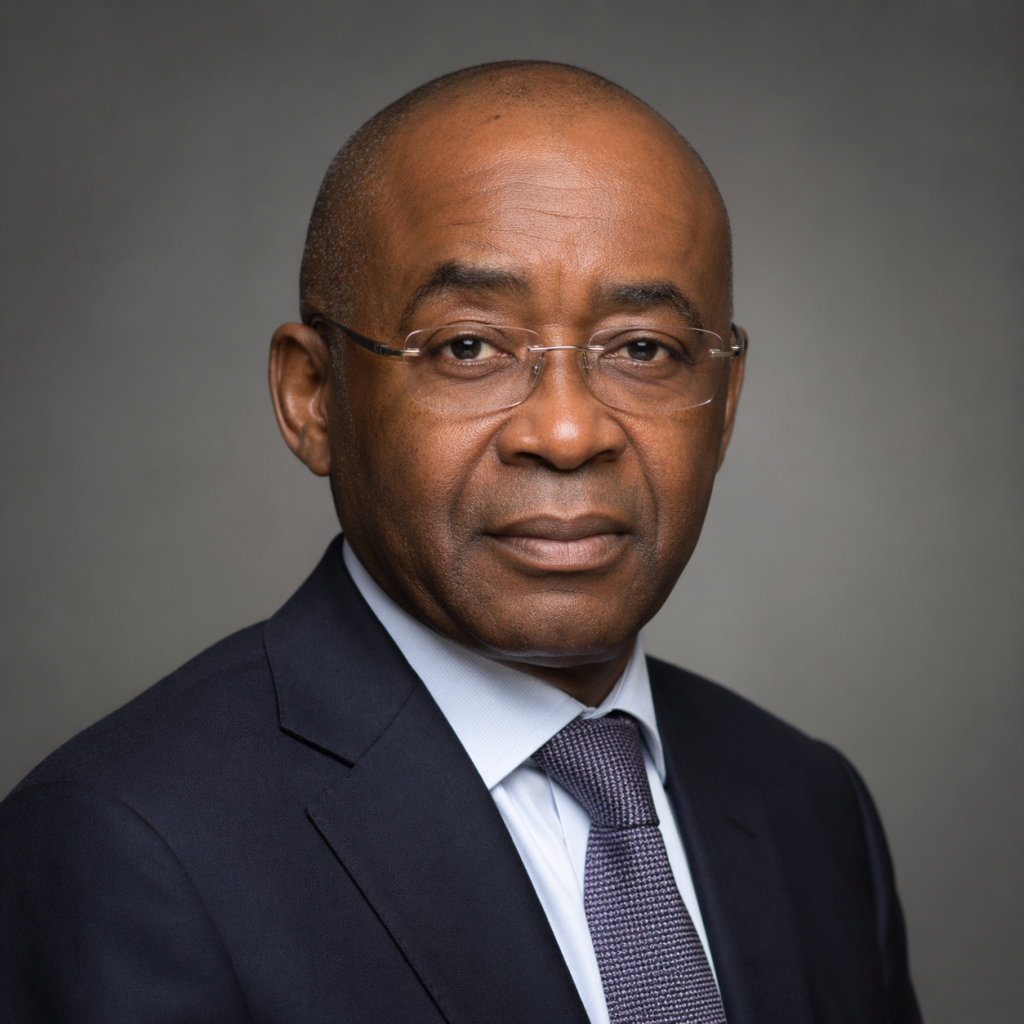

Strive Masiyiwa has executed one of the most consequential balance sheet moves in African digital infrastructure this year, quietly, and ahead of schedule.
Liquid Intelligent Technologies, the pan-African digital infrastructure group owned by the Zimbabwean billionaire’s Cassava Technologies, retired its $620 million five-year bond months before the September maturity date and replaced it with a smaller $300 million note. The transaction, confirmed on April 20, 2026, signals a deliberate recalibration of capital strategy at one of Africa’s largest privately held technology groups.
What the Move Does
The move signals a deliberate recalibration of the company’s capital structure, aimed at lowering leverage, managing refinancing risk, and aligning debt levels more closely with current investment needs. By paying down $620 million in senior secured notes and replacing them with a $300 million Eurobond, Masiyiwa has effectively halved Liquid’s near-term debt load while extending its runway by five years.
The $300 million Eurobond, listed on Euronext Dublin and issued under Rule 144A/Regulation S, formed the centrepiece of a broader $660 million debt financing round completed by Liquid.
The Market’s Response
Institutional demand told its own story. Investor demand for the new notes was strong, with the issue more than twice oversubscribed, underscoring continued appetite for African telecoms and digital infrastructure credits, particularly those with diversified revenue bases and pan-African scale.
The bond was oversubscribed 2.5 times, showcasing investor interest in the continent’s tech growth. For European debt desks still weighing emerging market exposure amid global macro uncertainty, the result validates Africa’s digital infrastructure as a credible institutional asset class.
The Strategic Signal
The refinancing is not simply a treasury exercise. A lighter debt load gives Liquid room to keep building subsea cable capacity, regional data centres and cross-border fibre routes without leaning on punitive short-dated paper.
Liquid’s footprint spans 31 African countries, with operations across fibre networks, satellite services, cloud computing, and cybersecurity, segments that continue to benefit from structural growth in data demand and enterprise digitisation. The capital structure reset positions the group to deploy aggressively into that growth without a refinancing cliff limiting its options.
Masiyiwa built the fibre spine of this business over two decades, beginning with the courts of Zimbabwe in the 1990s where he fought a five-year legal battle for a mobile licence before going on to lay more than 100,000 kilometres of fibre across the continent. Cassava Technologies also holds positions in data centres, fintech, payments and renewable energy, all connected to the same fibre spine that Liquid laid across the continent.
Why It Matters
African UHNWI capital strategy rarely moves through press releases. Masiyiwa rarely telegraphs strategy through press releases, so the bond swap reads as the clearest signal in months about where he sees Liquid heading.
What it signals is expansion. The balance sheet has been reset, the debt wall has been pushed back, and investor demand has confirmed that hard-currency-linked African infrastructure still commands serious institutional attention. For capital trackers watching the continent’s digital infrastructure buildout, this is a defining datapoint for 2026.