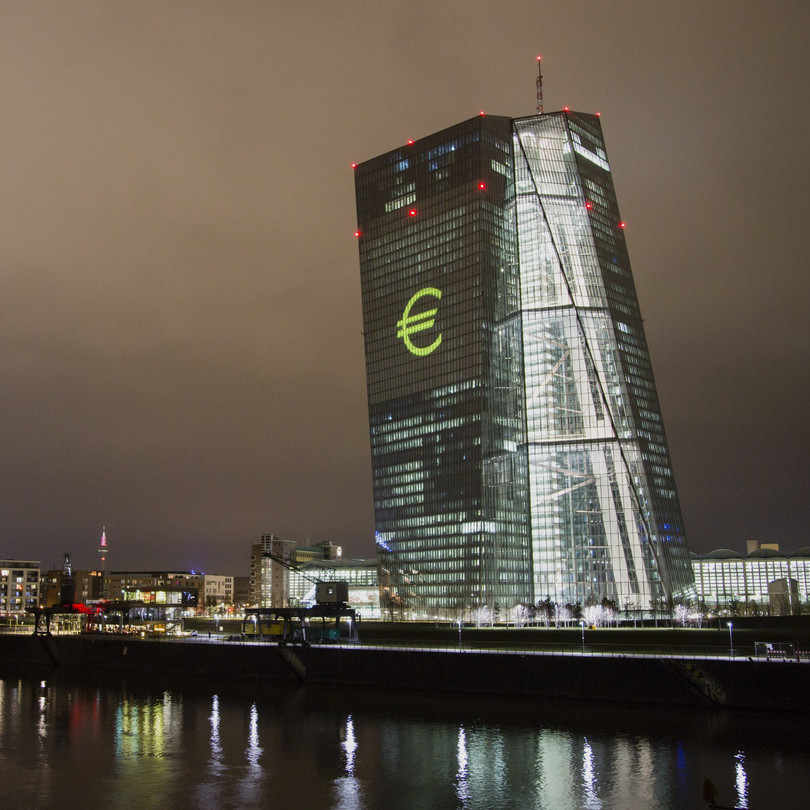

The European Central Bank signalled on Friday that another interest rate increase remains possible as policymakers continue to confront rising inflation across the euro area.
The comments came less than 24 hours after the ECB raised interest rates in response to accelerating price pressures, largely driven by higher energy costs linked to ongoing geopolitical tensions in the Middle East. Senior policymakers indicated that while no decision has been made for July, further tightening remains firmly on the table if inflation continues to exceed expectations.
Markets Reprice Interest Rate Expectations
Financial markets reacted by reassessing the path of European interest rates.
Bond yields across the euro area remained elevated as investors increased expectations that borrowing costs could stay higher for longer. Markets are now increasingly pricing in another rate increase later this year, with September emerging as the most likely window if inflation remains stubbornly above target.
The ECB’s latest move marks a significant shift in the global monetary policy landscape. After years of easing inflation and expectations of lower rates, central banks are once again facing renewed price pressures linked to energy markets and geopolitical instability.
What Triggered the Move?
The immediate catalyst was a sharp rise in inflation caused by higher oil and energy prices.
According to ECB policymakers, inflation has moved beyond energy alone, with underlying price pressures also remaining above the institution’s 2% target. This has raised concerns that inflation could become more persistent and spread throughout the broader economy.
Bundesbank President Joachim Nagel stated that policymakers must remain prepared to act if inflation dynamics deteriorate further, reinforcing the ECB’s willingness to tighten policy again if necessary.
Why It Matters
The ECB’s stance has implications far beyond Europe.
Higher European interest rates influence global capital flows, government borrowing costs, corporate financing conditions, and currency markets. Investors worldwide closely monitor ECB policy because it affects the attractiveness of euro-denominated assets relative to other major markets.
For emerging markets, including South Africa, prolonged higher rates in developed economies can influence capital allocation decisions and increase competition for global investment flows. Higher yields in Europe often encourage investors to move funds toward lower-risk developed market assets.
What It Signals for Markets
The ECB’s latest messaging suggests that inflation has once again become the dominant concern for policymakers.
Rather than discussing rate cuts, markets are now debating how many additional increases could still occur during the current cycle. The shift reflects growing concerns that energy-driven inflation could remain elevated longer than previously expected.
For investors, the message is clear: central banks remain prepared to prioritise price stability even if economic growth slows.
The result is likely to be continued volatility across bond, currency, and equity markets as investors adjust to the possibility of higher borrowing costs for an extended period.