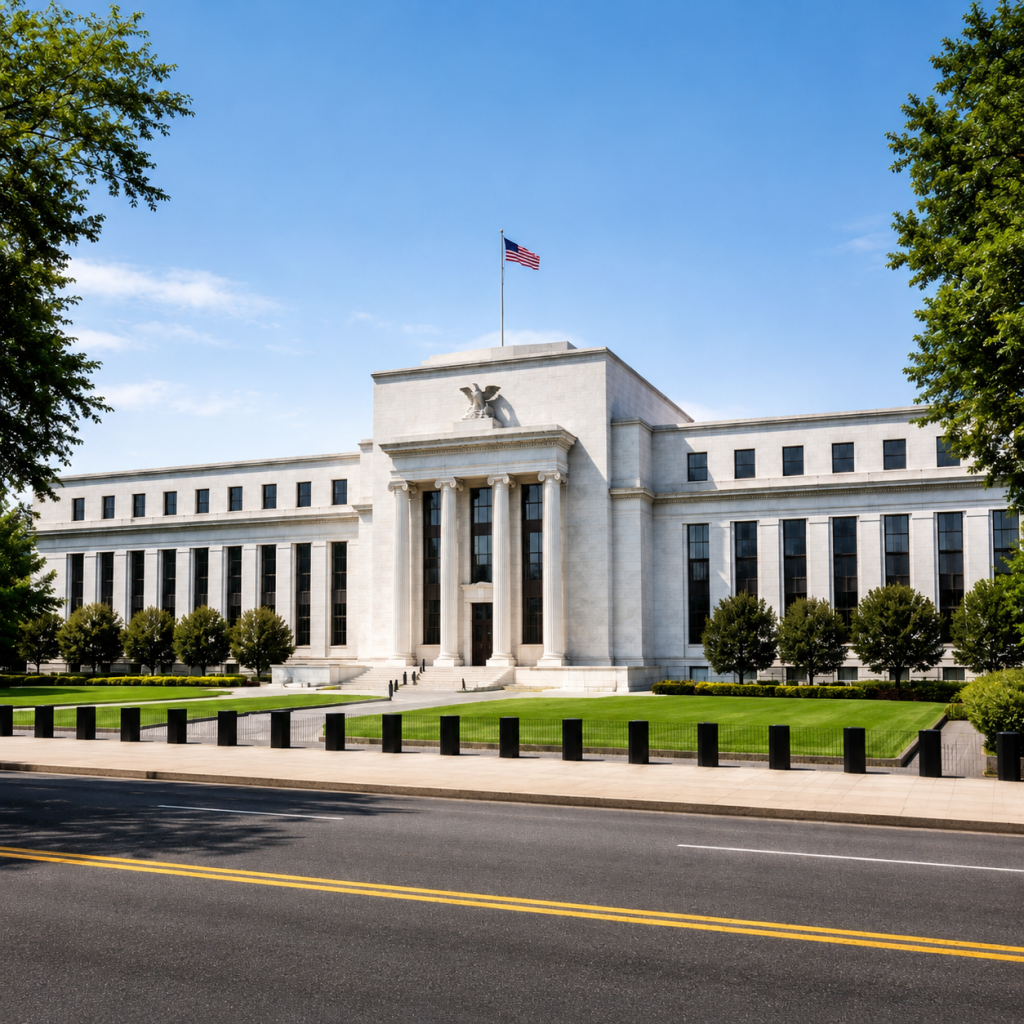

Fresh United States inflation data released on Thursday has prompted a reassessment of interest rate expectations, sending the US dollar and Treasury yields lower as investors concluded that the latest price pressures were not strong enough to immediately force another Federal Reserve rate increase.
The US Commerce Department reported that the Personal Consumption Expenditures, or PCE, price index increased 4.1 percent year-on-year in May, marking its highest annual reading since 2023. Although inflation remains well above the Federal Reserve’s long-term target, the monthly increase came in below economists’ expectations, easing fears that inflation was accelerating even more rapidly.
Markets Respond to Softer Than Expected Inflation Momentum
Currency markets reacted almost immediately.
The US dollar retreated from a 13-month high as traders reduced the probability of another Federal Reserve interest rate increase in July. Treasury yields also declined, reflecting expectations that policymakers may have more flexibility to wait for additional economic data before tightening monetary policy again.
While inflation remains elevated, investors focused on the fact that price growth broadly matched forecasts rather than exceeding them.
At the same time, revised first-quarter GDP growth of 2.1 percent and lower-than-expected weekly jobless claims reinforced the view that the US economy continues to expand despite persistent inflationary pressures.
What Triggered the Market Move
The principal catalyst was the release of the Federal Reserve’s preferred inflation measure.
The annual PCE reading of 4.1 percent highlighted continuing pressure from energy prices and resilient consumer demand, while consumer spending increased 0.7 percent during May and personal income also exceeded expectations. Those figures demonstrated that household demand remains relatively strong despite higher borrowing costs.
However, because the monthly inflation increase was slightly below consensus forecasts, investors interpreted the report as reducing the urgency for an immediate policy response.
Market pricing for a July Federal Reserve rate increase declined following the release, with expectations for additional tightening later this year also easing modestly.
Why It Matters
The PCE index carries significant weight because it is the Federal Reserve’s preferred measure of inflation when determining monetary policy.
A moderation in expectations for further interest rate increases affects global capital flows, borrowing costs, exchange rates and equity valuations.
Lower Treasury yields can ease financing conditions worldwide, while a weaker dollar often provides some relief for emerging market economies by reducing pressure on dollar-denominated debt and supporting capital inflows. At the same time, inflation remaining above target means policymakers are unlikely to declare victory over price pressures anytime soon.
What It Signals for Markets
Financial markets are shifting from expecting an imminent rate increase to anticipating a more data-dependent Federal Reserve.
Upcoming inflation releases, labour market reports and energy price movements will now carry greater significance as investors assess whether inflation resumes accelerating or gradually moderates during the second half of the year.
For global investors, the latest data suggests that the path toward lower inflation remains uneven. Market volatility is therefore likely to persist as central banks balance resilient economic growth against inflation that continues to exceed policy targets.