
South Africa has taken a significant step to strengthen its long-term energy resilience after the Department of Mineral and Petroleum Resources published a draft Strategic Petroleum Stocks Policy that would substantially expand the country’s emergency fuel reserves. The proposal, officially disclosed within the past 32 hours, represents the most significant overhaul of South Africa’s strategic petroleum stockholding framework in decades.
The draft policy proposes that the state maintain strategic petroleum stocks equivalent to 60 days of national fuel requirements, while licensed fuel wholesalers and importers would be required to hold an additional 21 days of commercial stocks. Together, the measures would provide South Africa with more than 80 days of emergency fuel cover during major supply disruptions.
Building a More Resilient Energy System
Under the proposal, approximately 70 percent of the strategic reserve would consist of crude oil, with the remaining 30 percent comprising refined petroleum products such as diesel, petrol and jet fuel. The state-owned South African National Petroleum Company (SANPC) would be responsible for managing the national strategic reserves, while commercial operators would maintain their own mandatory inventories.
The draft policy estimates that achieving the proposed state reserve would require around 36 million barrels of oil, creating a significantly larger strategic buffer than South Africa currently maintains.
Responding to Global Supply Risks
The proposal comes as governments worldwide reassess energy security following prolonged disruptions to global oil markets and increased geopolitical tensions affecting key shipping routes.
South Africa has become increasingly reliant on imported petroleum products after several domestic refineries either closed or reduced operations in recent years. The new strategic stockholding framework is intended to reduce the country’s exposure to external supply interruptions and sudden price shocks.
The emergency reserves would only be released during officially declared fuel supply crises, ensuring they remain available for severe national emergencies rather than routine market fluctuations.
Industrial and Infrastructure Significance
Beyond energy security, the proposal signals renewed investment in South Africa’s strategic petroleum infrastructure.
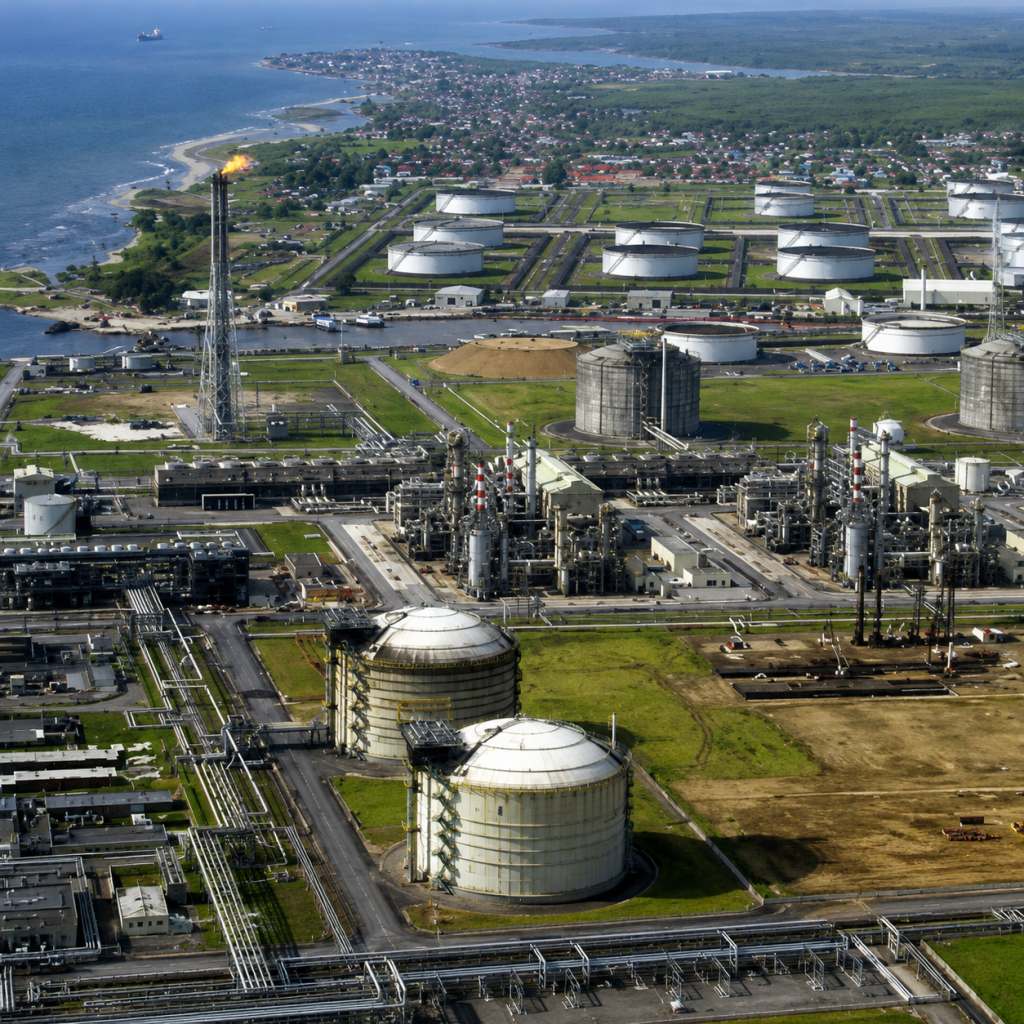
The expanded reserve programme would increase the role of national storage facilities, including those at Saldanha and Milnerton, while creating a structured framework for managing strategic petroleum inventories across both the public and private sectors.
For the petroleum industry, the policy establishes clearer long-term obligations for fuel wholesalers, importers and storage operators, encouraging investment in logistics, storage capacity and supply chain resilience.
What It Signals
The publication of the draft Strategic Petroleum Stocks Policy marks an important industrial policy milestone rather than simply an energy security measure.
By proposing larger national reserves and mandatory commercial stockholding, South Africa is positioning itself to better withstand global supply disruptions while strengthening critical energy infrastructure that supports manufacturing, mining, transport and the broader economy.
If implemented following the public consultation process, the policy would represent South Africa’s most significant strategic petroleum reserve expansion since the country’s original stockpiling programme was established decades ago.