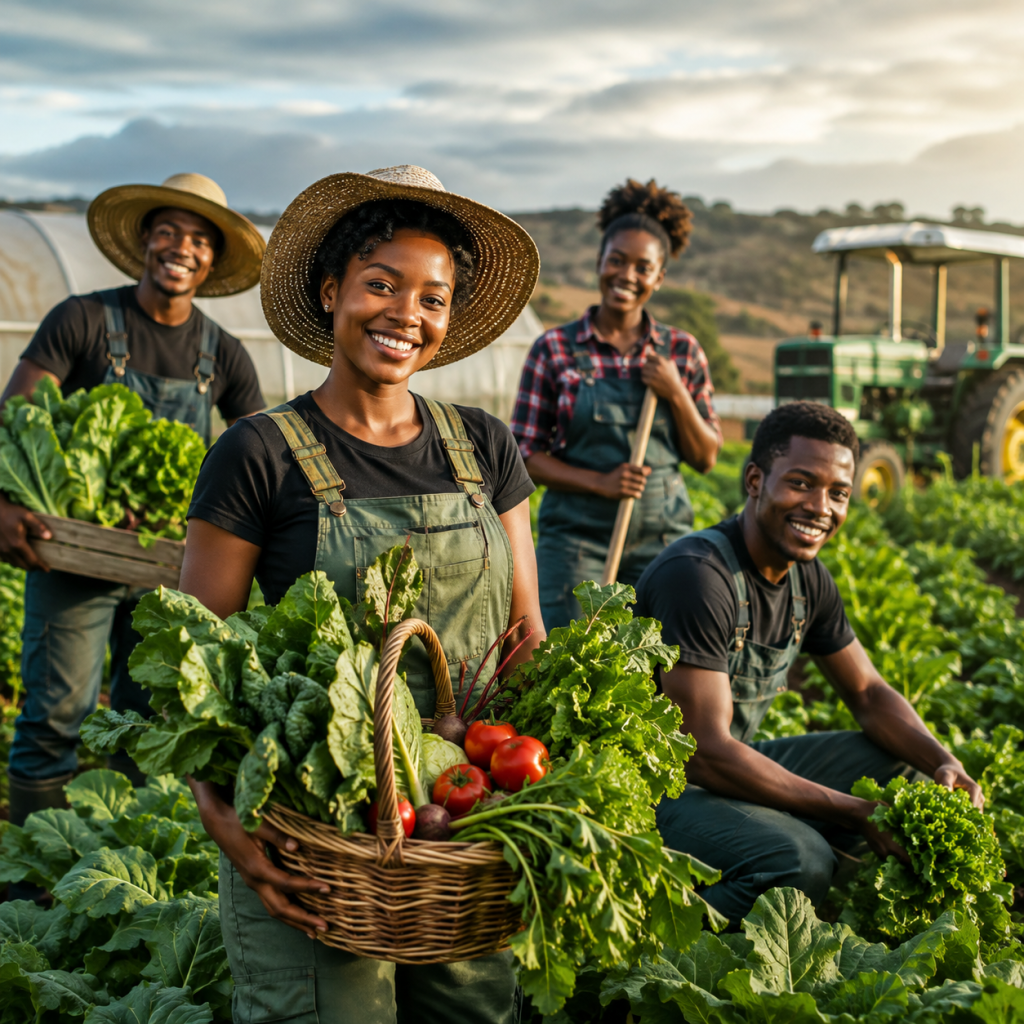

Agri Limpopo 2026 officially opened on 17 August, bringing together farmers, agribusinesses, agricultural organisations and industry stakeholders for three days of discussions focused on the future of South Africa’s agricultural and food sectors.
Hosted in Limpopo, one of the country’s leading agricultural regions, the event serves as a platform for engagement on issues affecting food production, agricultural competitiveness, market access and rural economic development.
The gathering comes at a time when agriculture continues to play an important role in South Africa’s economy, supporting employment, food production and export activity across multiple value chains. Industry participants are expected to exchange insights on opportunities and challenges facing producers, processors and agricultural enterprises operating in an increasingly competitive environment.
Focus on Food Production and Agricultural Growth
Agri Limpopo 2026 places significant attention on the practical realities of modern farming and food systems. Discussions throughout the event are expected to cover productivity, agricultural innovation, supply-chain efficiency and market development.
The event also provides an opportunity for businesses operating across the agricultural value chain to engage with producers and industry organisations while exploring areas for future collaboration.
For agricultural enterprises, access to markets and operational efficiency remain key priorities. Industry gatherings such as Agri Limpopo create a forum for sharing knowledge and identifying opportunities that may contribute to stronger performance across the sector.
Limpopo’s Role in South Africa’s Food Economy
Limpopo remains one of South Africa’s most important agricultural provinces, contributing significantly to the production of fruit, vegetables, livestock and other agricultural commodities.
Its strategic position within the national food system makes it a natural location for conversations around agricultural development, food security and value-chain growth.
As producers continue to navigate changing market conditions, events that bring together industry participants provide valuable opportunities for engagement on issues affecting both local and export-oriented agricultural activities.