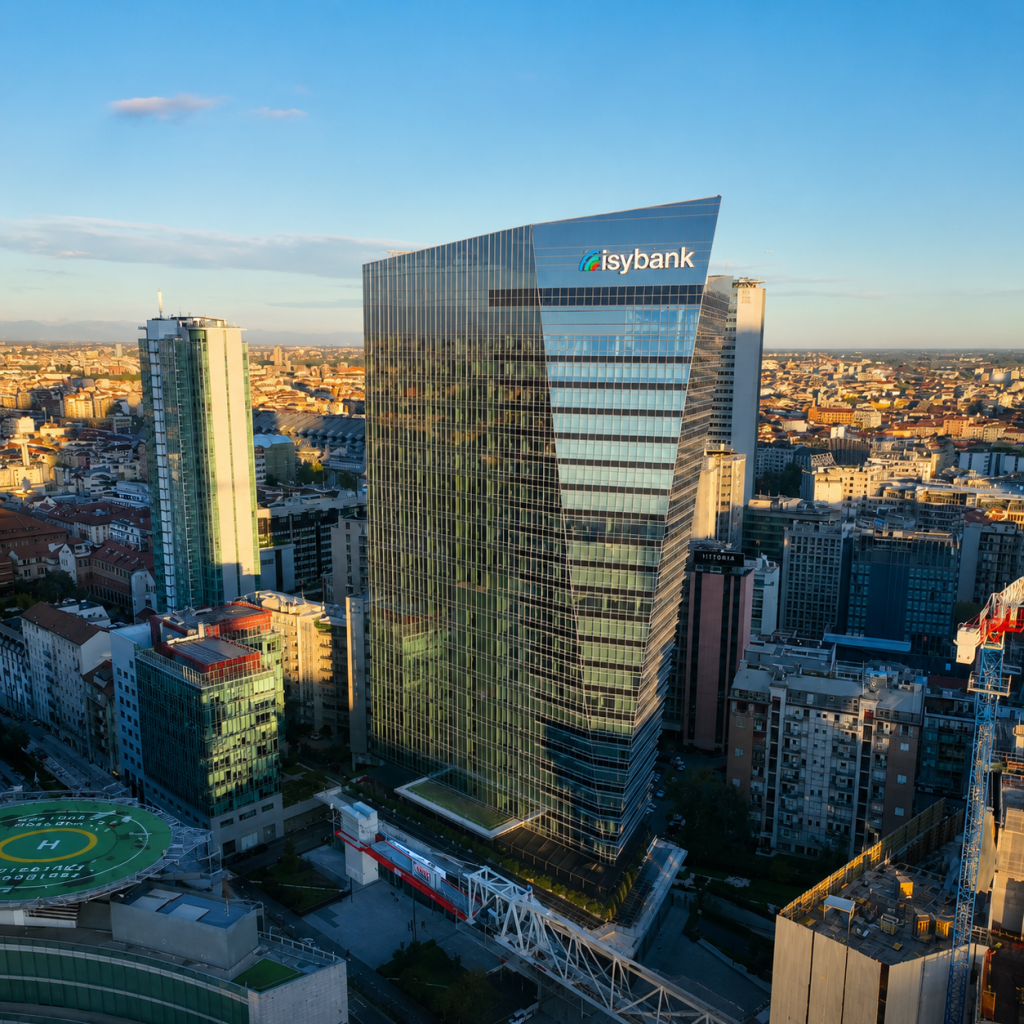

Italy’s banking sector entered a new phase of consolidation on Thursday after Intesa Sanpaolo launched an unsolicited €30.6 billion bid for Monte dei Paschi di Siena (MPS), creating one of the most significant banking transactions announced in Europe this year.
The proposed transaction would strengthen Intesa’s position as Italy’s largest lender and comes amid increasing competition among major European banks seeking scale, efficiency, and stronger profitability in a changing interest-rate environment.
A €30.6 Billion Strategic Move
Under the terms of the offer, MPS shareholders would receive 1.6 new Intesa shares plus €1 in cash for each MPS share held. The proposal values MPS at approximately €30.6 billion and represents a premium to the bank’s recent market valuation.
If completed, the combined institution would serve more than 27 million customers and manage approximately €1.7 trillion in financial assets by 2029. Management forecasts suggest the enlarged banking group could generate net profit exceeding €16 billion by that period.
Financial Restructuring at Scale
The deal structure includes a significant restructuring component. Insurance group Unipol is expected to acquire a carved-out segment of MPS operations, including hundreds of branches and the MPS brand, in a transaction valued between €3 billion and €3.5 billion.
Intesa estimates integration costs of approximately €2.1 billion before tax, while projecting annual pre-tax synergies of roughly €2.9 billion once the combination is fully implemented.
The transaction remains subject to regulatory approvals and shareholder acceptance thresholds, with completion targeted for the second half of 2027.
What It Signals for European Finance
The proposed acquisition highlights a broader trend across European banking as institutions seek larger balance sheets, improved efficiency, and stronger returns through consolidation. Higher regulatory costs, digital transformation requirements, and increasing competition have encouraged lenders to pursue scale through mergers and acquisitions.
For investors, the transaction signals continued confidence in European banking profitability and suggests major financial institutions remain willing to deploy substantial capital to secure market leadership positions.
The deal also reflects a wider shift toward strategic consolidation across developed financial markets, where institutions are increasingly using acquisitions rather than organic expansion to strengthen competitive positioning and improve shareholder returns.