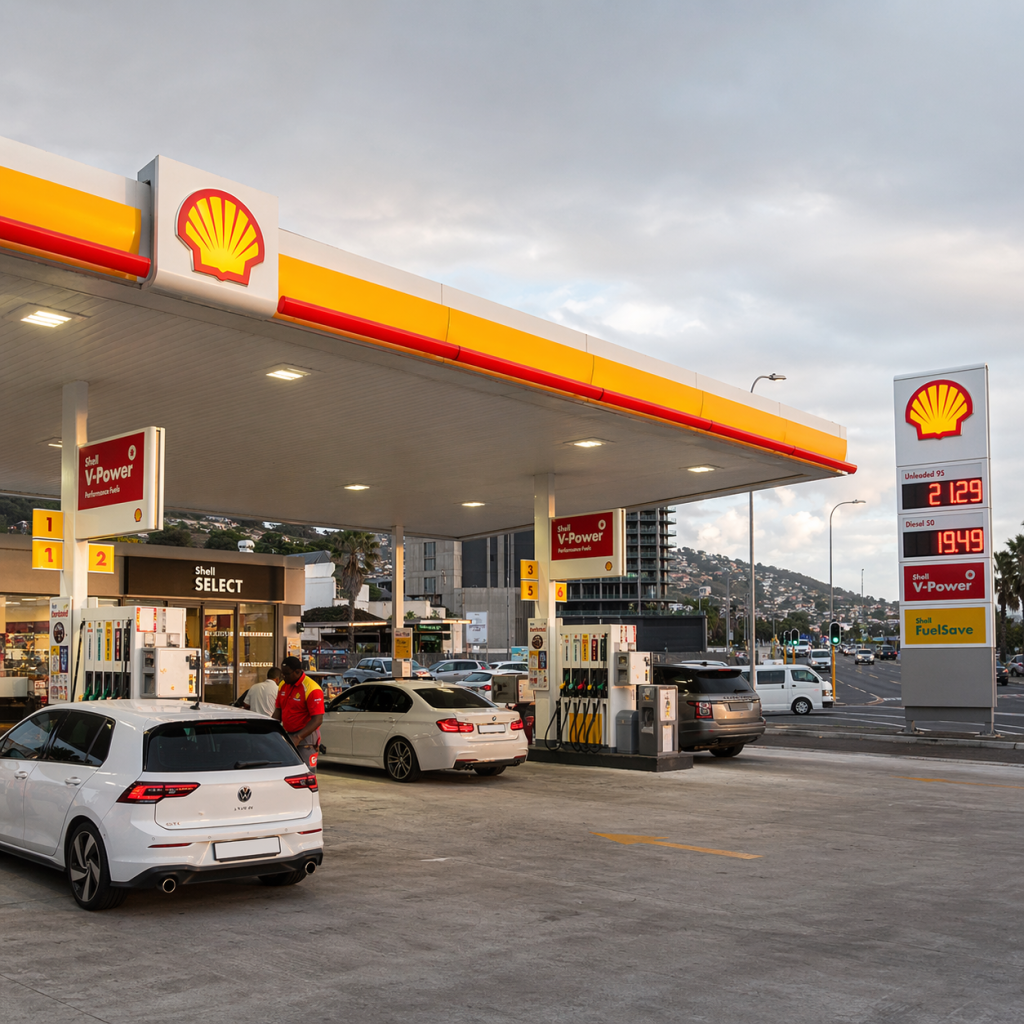

Shell Downstream South Africa is in advanced negotiations to transfer its entire South African retail fuel network to Abu Dhabi National Oil Company (ADNOC), in a transaction valued at approximately $1 billion. The deal, first reported by Bloomberg and confirmed by Reuters on 14 April 2026, would involve the full divestiture of roughly 600 fuel service stations, representing close to 10% of South Africa’s fuel retail market.
ADNOC emerged as the preferred bidder after earlier negotiations between Shell and commodity trading firm Gunvor Group broke down. Sources familiar with the matter indicate that a formal agreement could be reached as early as the second quarter of 2026.
What Is on the Table
The assets being divested by Shell Downstream SA (SDSA) comprise a national network of approximately 600 retail fuel outlets, along with associated trading operations across Africa’s largest economy. Shell has been present in South Africa since 1902, making this one of the most historically significant corporate exits the country has seen in the energy sector.
Shell initiated the divestiture process in late 2024 as part of a deliberate global strategy to exit downstream retail operations and refocus capital on upstream exploration, crude oil, and natural gas. The company’s Durban refinery has been inactive since March 2022. The South African exit follows similar divestments in Australia, Botswana, Kenya, Namibia, and several West African markets. Rothschild & Co has been advising Shell on the sale process.
Who Is Moving In
ADNOC is executing a structured global expansion programme backed by a committed capital plan of $150 billion between 2026 and 2030. The Abu Dhabi-based energy giant accounts for approximately 4% of global oil production and has been accelerating its presence across the African continent. Its recent joint venture with BP through Arcius Energy, anchored by a $500 million final investment decision in Egypt’s Harmattan gas field, signals a coordinated continental strategy spanning both upstream development and downstream retail.
Acquiring Shell’s South African network would give ADNOC immediate operational scale, an established customer base, and a strategic gateway into the Southern African Development Community (SADC) region, without the timeline or regulatory cost of building infrastructure from the ground up.
Why This Creates Opportunity
The pending transfer of one of South Africa’s largest retail fuel networks opens a distinct window for secondary market participants. Franchise operators, property owners, fuel logistics providers, lubricant and product suppliers, and retail concession operators currently embedded within Shell’s station network will need to navigate a change of ownership and potentially renegotiate supply, lease, and service agreements.
South Africa’s refined petroleum market is projected to reach approximately $8.5 billion in value in 2026, with diesel accounting for over 50% of market share, driven primarily by transportation and power generation demand. ADNOC’s entry into this market is expected to intensify competition and attract further Gulf-linked capital into the country’s fuel retail and distribution sectors.
Who Can Participate
The direct acquisition itself is a bilateral transaction between Shell and ADNOC. However, opportunities exist for:
- Fuel station operators and franchise holders currently under Shell branding, who will face rebranding, renegotiation, or operational transition decisions
- Property investors and commercial real estate developers with exposure to Shell-branded sites across the country
- Logistics, maintenance, and supply chain companies currently contracted to SDSA
- Legal, financial, and advisory firms supporting due diligence, regulatory approvals, and competition commission filings
- Regional fuel distributors and independent retailers who may benefit from any network restructuring or divestment of non-core sites post-acquisition
Regulatory clearance from the South African Competition Commission will be required before any deal is finalised. Industry observers note that the immediate consumer impact is expected to be limited, with operations anticipated to continue under the new ownership structure.