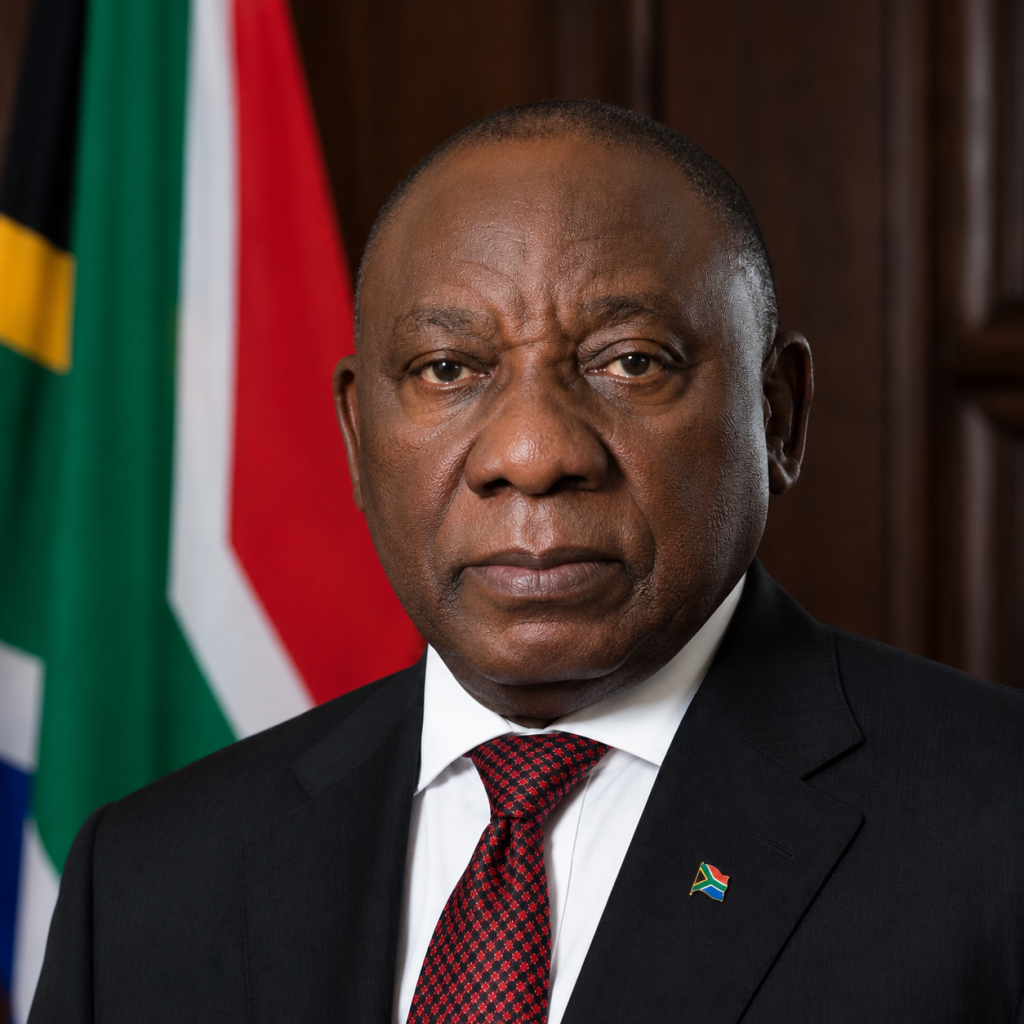

South Africa’s Cabinet has approved a comprehensive national approach to migration, marking one of the most significant policy decisions of the year as government seeks to strengthen border management, improve migration governance, and address growing public concerns around illegal immigration. The decision was officially disclosed following the Cabinet meeting held on 3 June 2026, with President Cyril Ramaphosa expected to address the nation on the matter.
A Major Government Decision
The approved migration framework was developed by the Inter-Ministerial Committee on Migration and was accompanied by Cabinet’s approval of South Africa’s National Action Plan Country Report on Migration.
The decision comes amid heightened public debate around immigration management, labour market pressures, social service delivery, and border security. Government has indicated that the new approach is intended to provide a coordinated national response rather than fragmented interventions across departments.
Why Cabinet Acted Now
Migration has become an increasingly important policy issue for South Africa as economic conditions, regional mobility, and public concerns place pressure on government institutions.
Cabinet’s approval follows extensive work by multiple government departments tasked with evaluating migration management systems and identifying policy gaps. The move also comes as authorities seek to maintain social stability while ensuring that migration is managed within the framework of the law and South Africa’s constitutional obligations.
The decision signals a shift from short-term responses toward a more structured national framework with executive oversight.
Who Will Be Impacted
The decision will affect several stakeholder groups:
- Government departments responsible for immigration, policing, border management, labour, and social development.
- Businesses that rely on cross-border labour and regional economic integration.
- Foreign nationals residing legally in South Africa.
- Investors monitoring political stability and policy certainty.
- Local communities affected by migration-related service delivery and employment concerns.
The framework is expected to influence future policy implementation across multiple sectors, making migration a central governance issue rather than a standalone Home Affairs matter.
What It Signals for Business and Economic Confidence
For investors and businesses, the most important aspect of the decision is policy certainty.
Markets generally favour coordinated government action when social and economic pressures begin affecting operational environments. By elevating migration management to Cabinet level and introducing a comprehensive national strategy, government is signalling that it intends to reduce uncertainty through institutional coordination and long-term planning.
The decision also demonstrates a willingness by the executive to address issues that have increasingly attracted public attention and could influence labour markets, regional trade relationships, and investment perceptions if left unmanaged.
A Test of Policy Execution
The approval itself represents a significant executive decision, but its success will ultimately depend on implementation.
As President Ramaphosa prepares to outline the government’s approach, business leaders, investors, and regional partners will be watching closely to determine whether the strategy delivers measurable improvements in migration governance, enforcement efficiency, and policy coordination.
For South Africa, the decision represents an attempt to strengthen institutional capacity while maintaining economic stability and regional engagement in an increasingly complex migration environment.