
Rio Tinto has officially restarted construction of the $473 million Zulti South mineral sands project at Richards Bay Minerals (RBM) in KwaZulu-Natal, marking one of the most significant new mining investments currently moving forward in South Africa’s heavy mineral sands sector.
The restart was confirmed on 2 March 2026, with the Department of Mineral and Petroleum Resources (DMPR) welcoming the investment as a major step in expanding production capacity at one of the country’s most strategically important titanium feedstock operations.
A Major Expansion of Titanium Feedstock Supply
The Zulti South project is designed to replace declining ore reserves from older RBM mining areas while sustaining long-term output of ilmenite, rutile, and zircon—minerals used extensively in global manufacturing and industrial applications.
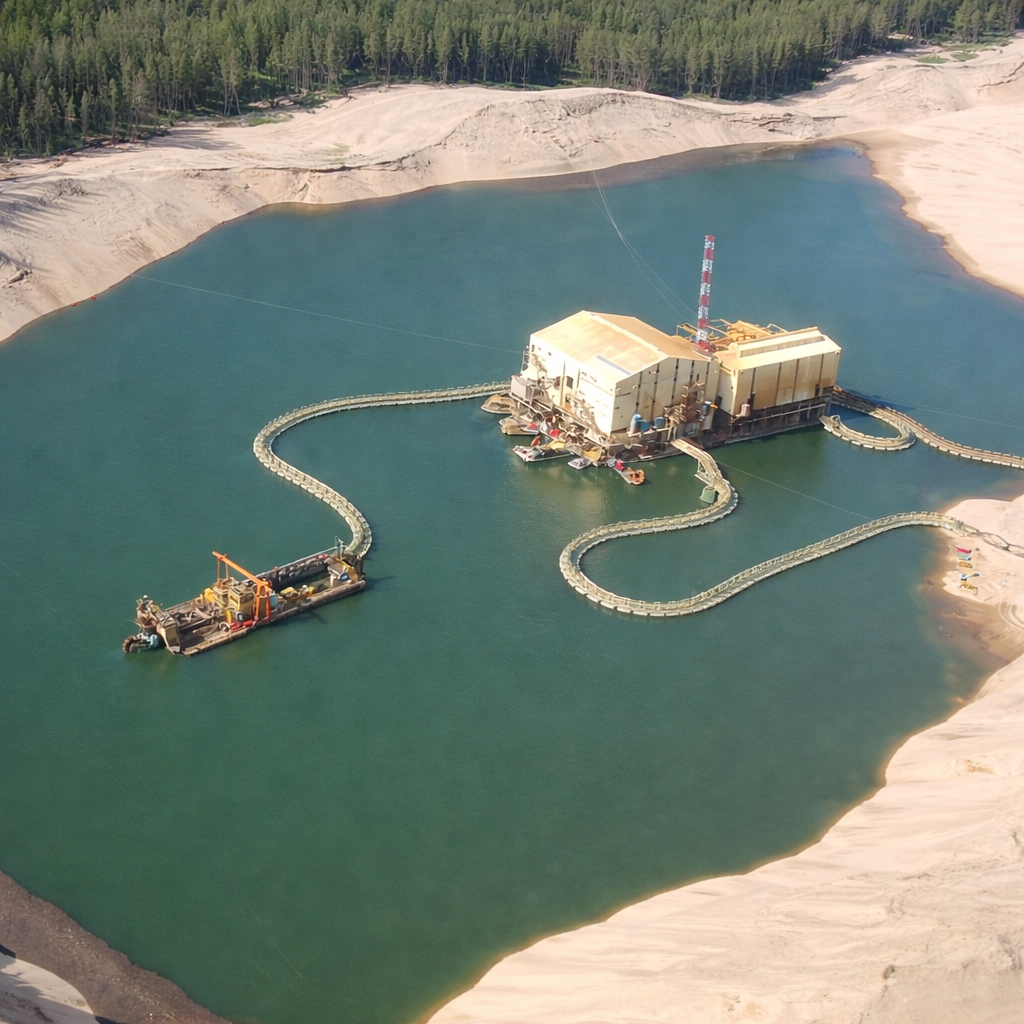
Located near the existing RBM operations north of Richards Bay, the project involves:
- Development of a new open-pit mineral sands mine
- Construction of associated processing infrastructure
- Integration with RBM’s existing smelters and export logistics
Once operational, the mine will feed RBM’s processing plants, which produce titanium feedstocks used in industries ranging from aerospace and automotive manufacturing to pigments for paints and plastics.
Strategic Role in Global Supply Chains
RBM is one of the largest mineral sands operations in the world, and Zulti South is expected to secure its long-term production pipeline.
Titanium dioxide feedstocks produced at the operation are essential to global industrial supply chains, particularly for:
- Pigment manufacturing
- Advanced alloys
- Aerospace components
- High-performance coatings
By restarting the project, Rio Tinto is effectively ensuring continued supply from South Africa into these global manufacturing sectors.
Economic Impact for South Africa’s Mining Sector
For South Africa, the restart represents more than a single mine development. It signals renewed capital commitment into large-scale mining infrastructure at a time when the country is seeking to expand mineral production and strengthen industrial value chains.
The investment supports:
- Mining employment and contractor activity in KwaZulu-Natal
- Export revenue through Richards Bay’s bulk mineral ports
- Continued operation of RBM’s beneficiation facilities
Government officials highlighted the investment as an example of ongoing collaboration between the state and major mining companies to expand mineral extraction and sustain the sector’s economic contribution.
Building the Next Phase of Richards Bay Minerals
Zulti South will effectively become the next production hub feeding the RBM complex, extending the life of one of South Africa’s most significant mineral sands operations.
For Rio Tinto, the project ensures operational continuity in a globally competitive titanium market. For South Africa, it reinforces the country’s position as a leading supplier of industrial minerals essential to modern manufacturing.