
The machinery behind one of the largest deals in consumer packaged goods history is now formally in motion. On April 15, 2026, McCormick & Company announced that Andrew Foust, President Americas, has been appointed to the newly created role of Chief Integration Officer, with a mandate to lead the integration of Unilever’s foods business following the two companies’ landmark combination agreement.
The appointment signals that McCormick is moving beyond announcement mode and into structured execution, a critical operational threshold for a transaction of this magnitude.
Foust will remain an executive officer of the company and a member of its Management Committee, and McCormick currently expects him to return to his role as President Americas following the completion of integration activities. Patrick Davis has been appointed Interim President Americas to fill the position while Foust leads integration activities. Davis has served as President, North America Consumer Products since 2024.
The Deal That Remapped the Global Pantry
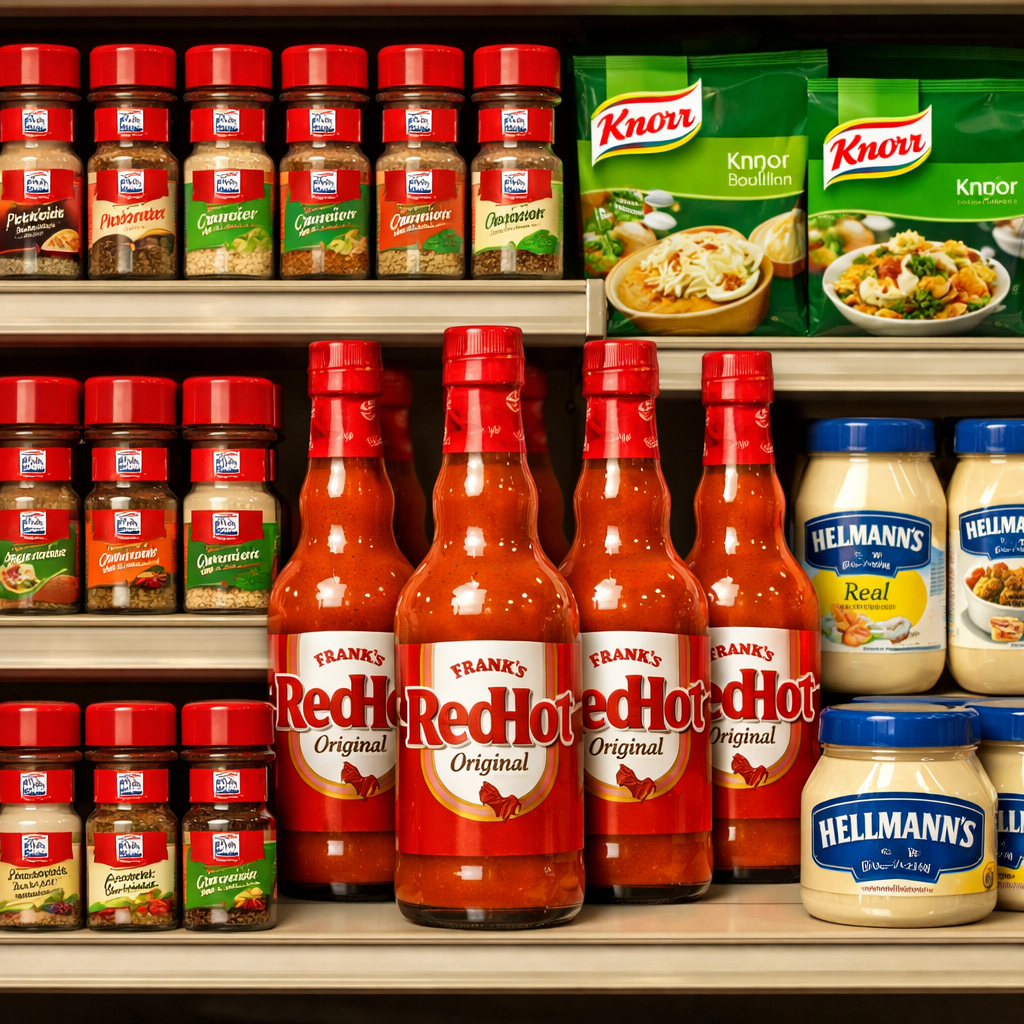
McCormick & Company announced on March 31, 2026, a definitive agreement to acquire the core food business of Unilever PLC for $42.7 billion, a transaction that effectively merges two of the world’s most iconic condiment and flavouring portfolios, placing brands such as Knorr and Hellmann’s under the same corporate umbrella as Old Bay and Frank’s RedHot.
To purchase most of Unilever Foods’ portfolio, including Hellmann’s mayonnaise and UK favourite Marmite, McCormick will pay $15.7 billion in cash. Unilever shareholders will own 55.1% of the combined company, while Unilever will hold a 9.9% stake.
The combined company, which will remain headquartered in Maryland, is expected to generate $20 billion in sales. McCormick is projecting sustainable organic sales growth of 3% to 5% after the two businesses merge, with the deal expected to close in mid-2027 pending shareholder and regulatory approval.
What the Integration Involves
The scale of the integration task is substantial. The combined company’s portfolio will remain focused and anchored in core flavour categories, including herbs, spices, seasonings, condiments, and sauces, across retail and foodservice channels. The business will span approximately 100 countries, with five shared core markets prioritised for value capture: the United States, China, the United Kingdom and Ireland, France, and Mexico.
Unilever Foods largely operates as a standalone commercial organisation, with its own dedicated management, marketing, supply chain leadership, and sales force, and 34 of its 40 manufacturing sites exclusively dedicated to its business, a structure that positions the combined entity for a relatively streamlined integration.
McCormick has indicated it expects to capture approximately $600 million in cost synergies from the combination. Executives from both companies have framed the deal as originating from a position of strength, not as a turnaround transaction, a distinction they have been deliberate in making to investor audiences since the deal’s announcement.
Unilever’s Strategic Pivot
For Unilever, the divestiture of its food division is part of a deliberate strategic repositioning. Divesting much of its food business allows the company to focus on its personal-care segment, which is growing faster. In December, Unilever spun off its ice cream business, now trading separately as Magnum Ice Cream Co.
The combined McCormick entity will not include Unilever’s food business in India, which was excluded from the transaction perimeter.
Regulatory and Market Signals
From a regulatory standpoint, the deal is expected to face intense scrutiny, particularly in the European Union and the United States. Both boards have unanimously approved the transaction, and the proxy statement and prospectus are expected to be filed with the SEC ahead of the shareholder vote.
Analysts have described the merger as a decisive shift toward hyper-specialisation, a signal that the era of aisle-spanning conglomerates in packaged food is drawing to a close. The transaction mirrors a broader pattern in which large food companies are shedding diversified portfolios in favour of focused, category-dominant platforms.
The appointment of a dedicated integration chief is a standard but telling milestone in deals of this complexity. It marks the formal transition from negotiation to construction, and for McCormick, the opening chapter of a years-long operational and commercial transformation.